








Have a story idea
Have a story idea? Send it to us here.
Source : Public Domain Pictures
November 2, 2026
Author : Alex Bustillos
Government agencies struggle to fund construction projects as fuel, freight, and material costs surge month after month.
In its mid-October press release, the Associated General Contractors of America (AGC) noted that the producer price index for inputs to new non-residential construction has risen to 11.9% since September 2025.
This is the largest year-on-year jump in the last four years. Fuel prices reached sky-high levels, crossing over 115%, while liquid asphalt rose to 17.7%. Meanwhile, the truck transportation index rose by over 19%.
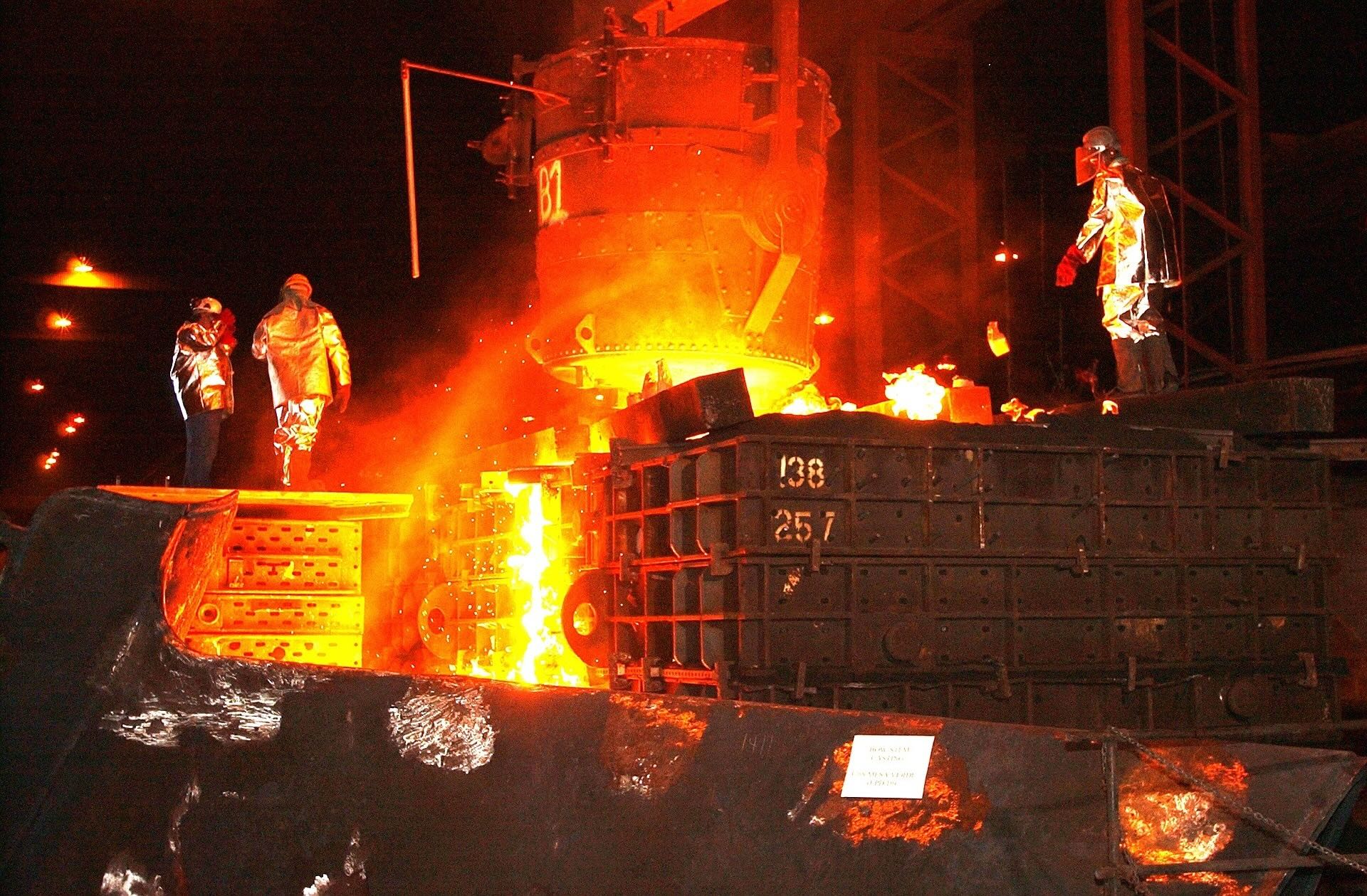
Steel mill products rose 27.6%, creating a ripple effect across related construction activities and further pushing prices up. AGC chief economist explained, “Construction firms are being hit by a double whammy of tariff- and war-induced materials cost increases as higher metals and fuel costs permeate an ever-wider range of prices.”
As a remedy, AGC urges federal officials to address inflation and reduce demand.
Inflation has infiltrated across state lines. Oklahoma DOT transportation secretary Tim Gatz said the state has a $255 million annual deficit for infrastructure upkeep.
To explain inflation's impact, Gatz said that just 5 years ago, a $245 million budget could have built 100 miles of two-way roads with shoulders, while now it would cover only 65 miles. Oklahoma’s eight-year construction program costs about $7.3 billion, with 60% from federal highway funding. The state has over 1,000 aging bridges nearing the century mark and in dire need of repair. However, with nearly flat funding and inflation, ODOT is struggling to address the repairs.
In Indiana, constructing a centerline mile of interstate highway cost $46 million, up from $8.4 million in 2015, a whopping 450% increase. Brian Gould, executive director of Build Indiana Council, explained that major interstate and bridge work (Indiana is taking on more new builds than upkeep, unlike other states) depends heavily on steel and concrete. Both materials have seen some of the highest inflation rates in the last decade.
To combat inflation, INDOT is using several strategies, including alternative delivery methods that involve contractors in the pre-construction stage.
In February 2026, Contractor News reported that replacing Baltimore’s Key Bridge would cost an estimated $5.2 billion. However, recent developments place the price tag much higher. A CBS News report said former bridge contractor Kiewit Infrastructure Co. estimated the final rebuild cost at around $9 billion.
The Maryland Transportation Authority (MDTA) is now looking for an alternate contractor to complete phase 2 of the project, which has already seen a staggering cost increase from the initial $2 billion quote. Inflation has driven the budget increase.
Not just public contractors, but homebuilders across the county are feeling the pressure, with supply and material costs up 6% from last year.
Category : Market Watch Material Costs