








Have a story idea
Have a story idea? Send it to us here.

Source : Adobe Stock Standard License
February 13, 2026
Author : Patty Allen
U.S. financial markets continue to be in high spirits on the back of significant progress in the field of artificial intelligence; however, increasing evidence of a struggling consumer sector is casting doubts over the sustainability of the economic expansion at large.
According to economists and analysts, this discrepancy reflects a contradictory situation where productivity and corporate profits are going up at the same time as many households are experiencing financial difficulties.
Investments tied to AI technology have been instrumental in driving the stock market rally recently, elevating the market capitalization of tech firms as well as those that heavily rely on automation. Economists argue that this upward trend is a manifestation of positive expectations regarding future gains in productivity and overall efficiency, although the current economic data at the ground level indicates a rather dismal scenario for the average American.
Jobless growth, or more simply a situation of rising output and market performance but with no corresponding increase in employment or wage security, is the phrase that some analysts have chosen to describe the current moment in time. Companies can, thanks to AI and automation, increase their production and profit margins with fewer workers, yet income growth at the consumer level is restricted.
The data from the labor market also reflect this disparity. Layoffs and hiring announcements for the month of January were at the worst level since 2009, indicative of continued employer caution even though the market is performing well on the surface.
Also, despite the fact that unemployment is still quite low compared with historical levels, hiring has slowed down, and it is taking displaced workers longer to get new jobs.
On the other hand, credits have become more of a lifeline for the families in order to manage the price increase.
In fact, consumer credit balances went up more than expected in December, showing that a higher amount was borrowed for the day, to daily expenses in a period characterized by high inflation and interest rates. According to economists, the fact that people are relying more and more on credit can make them less capable of handling those tough times in the labor market.
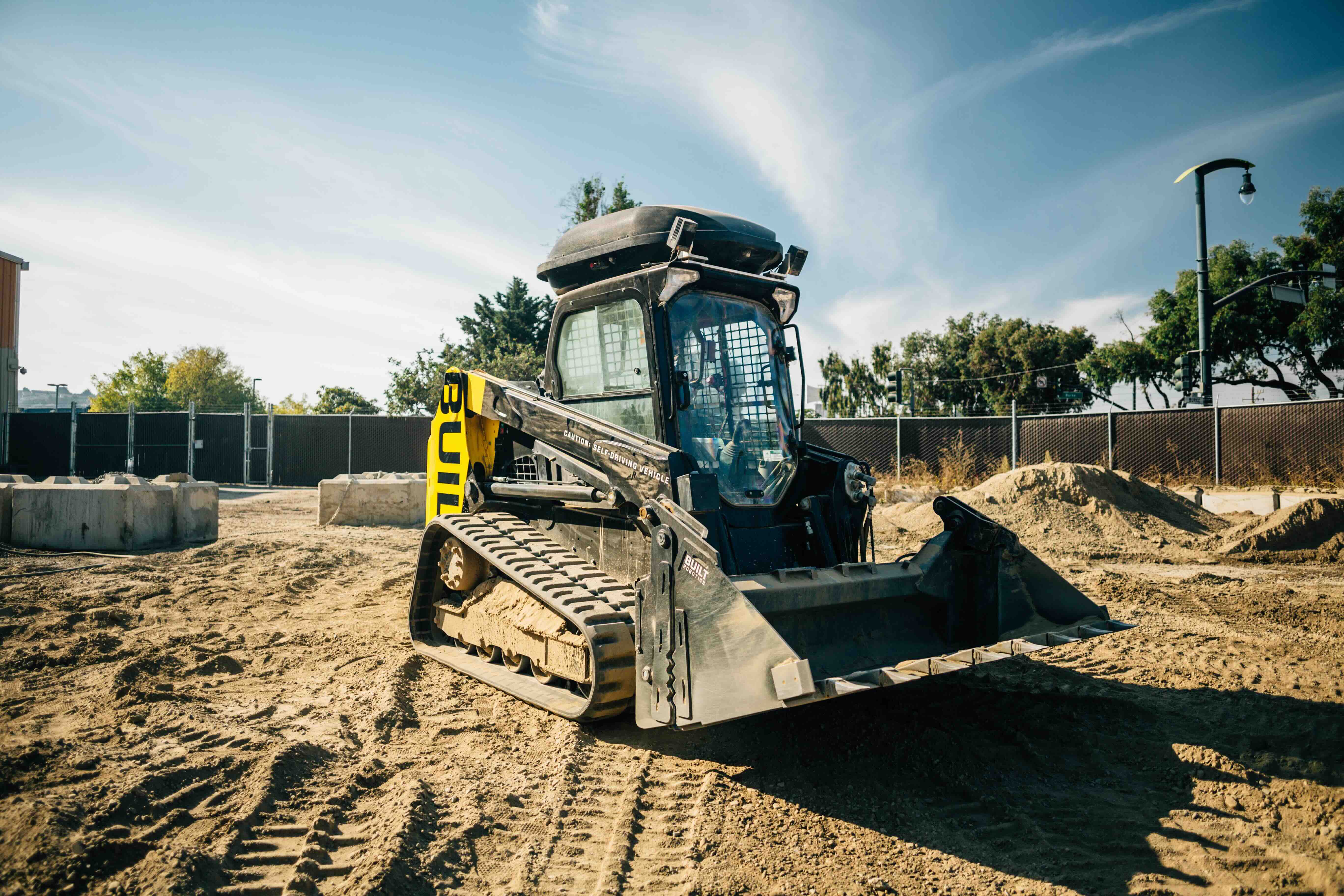
The gap between AI-led growth and consumer stress is also experiencing a ripple effect through industries related to infrastructure and construction. Although advanced technologies are enhancing productivity, their use frequently leads to a decrease in labor demand or a change in job requirements.
In construction and public works, AI-driven tools like predictive maintenance systems and digital twins are being used more and more to anticipate breakdowns and manage assets during extreme weather conditions, thus helping agencies to cut down on costs and downtime. In the same way, automation is revolutionizing the inspections and monitoring of facilities.
Bridg robot inspection technology is being introduced, for example, to enhance safety and decrease dependence on manual labor, thereby illustrating how AI can lead to efficiency gains and, at the same time, cause the workforce to shrink.
Follow us here at Contractor News, as we continue to cover public works and emerging technologies.
Category : Market Watch Tech