








Have a story idea
Have a story idea? Send it to us here.
Source : Wikimedia
February 6, 2026
Author : Patty Allen
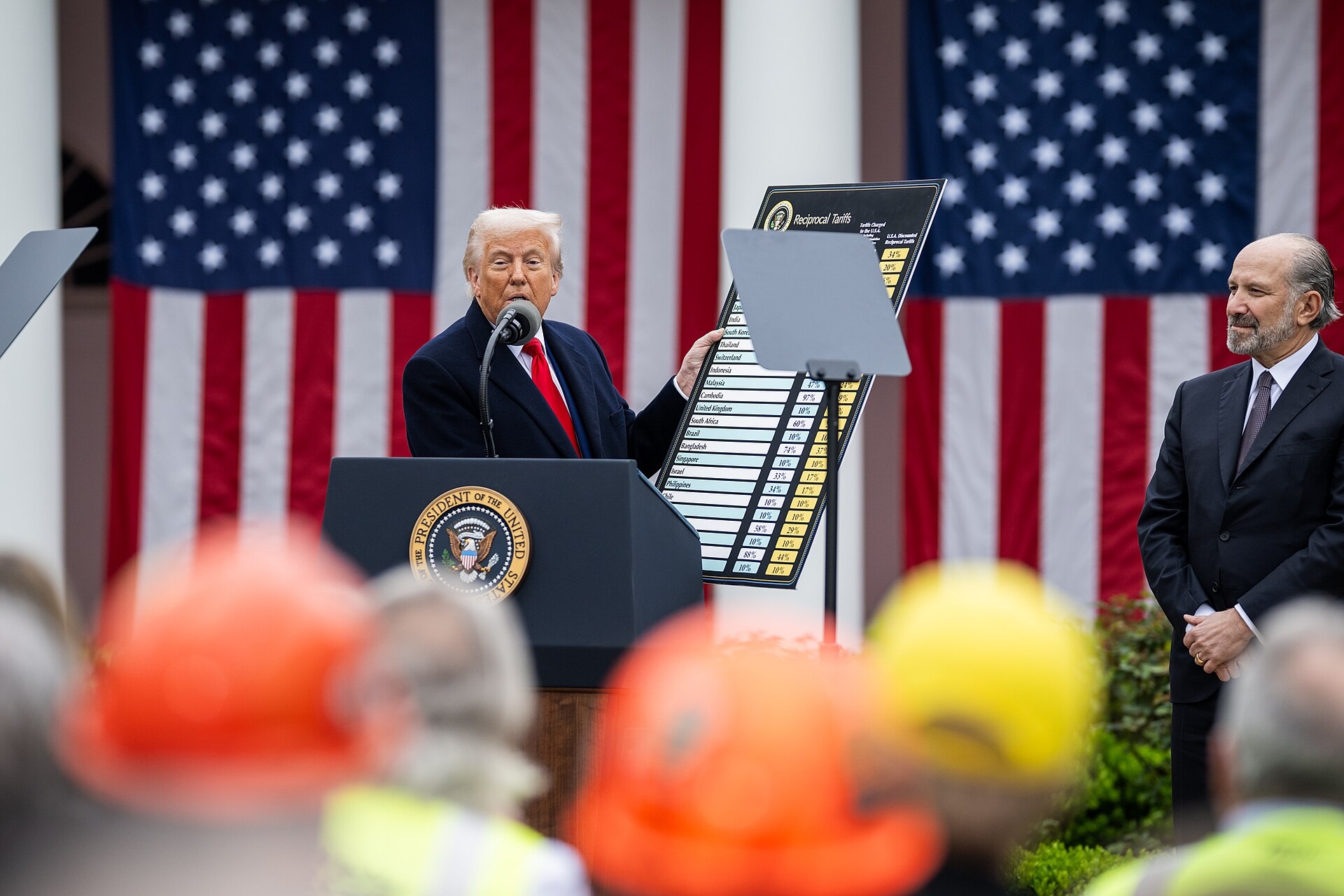
Construction costs in the U.S. are increasing at a rapid rate. A major factor for this has been the implementation of tariffs under the Trump administration, putting pressure on markets that are already struggling.
Recent price hikes, analysts explain, are one of the accelerants among other factors, such as labor shortages, financing difficulties, and unstable supply chains, that have influenced the overall cost environment.
According to fresh statistics, tariffs were a reason for the increase in prices of construction materials by as much as 28% in 2025, which escalated the costs for steel, lumber, aluminum, and other essential parts. Representatives of the construction industry keep warning that such a situation, where the pricing of products is going up, is resulting in the increased final prices of projects; in other words, contractors and construction owners have to rethink their plans for budgets and timelines.
Nevertheless, it appears that contractors consider the tariffs part of only one side of the story. Labor costs have gone up at a pace higher than the general level of inflation, and this has been largely caused by continuous labor shortages and the rivalry for the skilled trades.
Essentially, the wage hikes, the enhanced benefits, and the retention bonuses have been standardized; therefore, a great share of the overhead is being brought to already margin-thin projects.
Meanwhile, financing costs have gone up as higher interest rates and longer approval timelines reveal additional risk. Bidders and developers are including these risks in their bids, and usually, costs are being padded for potential delays, market volatility, and regulatory hurdles.
Experts are saying that such financing efforts may at least temporarily increase the overall cost of construction by approximately 10% if the situation remains the same.
Another weak spot is still the supply chain. Although there is a noticeable improvement in the situation as compared to the pandemic period, the availability of the materials is still not very regular, especially for specialized components and imported products, which are under the influence of tariffs.
Any upset in the system, whether it is the result of geopolitical tensions, transportation bottlenecks, or slowdowns in manufacturing, can very soon impact the schedules and pricing of the projects.
On top of materials and labor, another area contractors are encountering is higher insurance premiums, tighter compliance requirements, and increasing administrative costs. These less visible expenses are more and more a part of bids and contract negotiations, thereby adding to the total project costs.
The effect is already visible in public infrastructure programs all over the country. Massive transportation projects being carried out are facing implementation hurdles as costs and long-term affordability rise.
Category : Federal Government Market Watch