
Have a story idea
Have a story idea? Send it to us here.
Source : Alex Pagliuca Contractor News
July 1, 2026
Author : Alex Bustillos
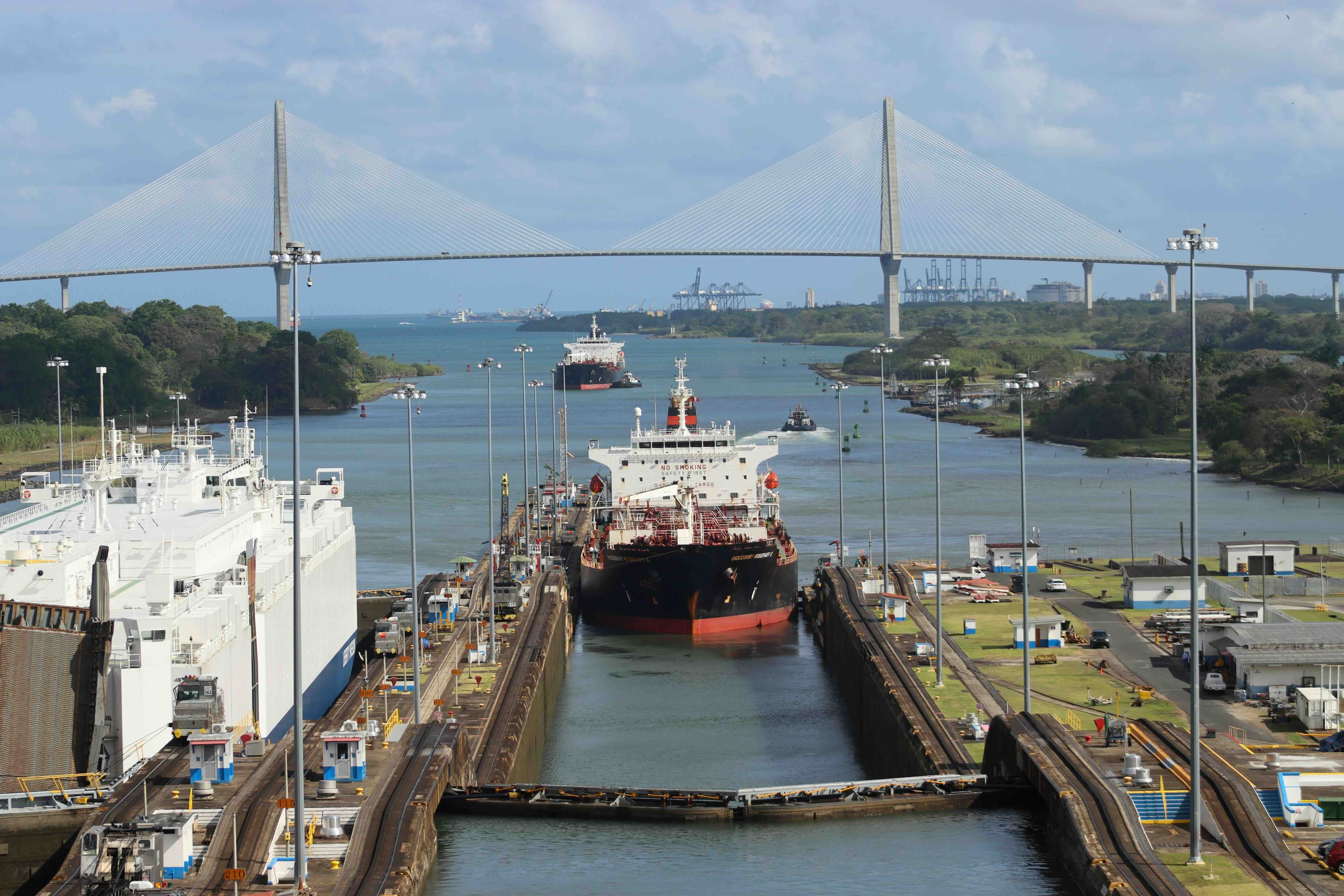
The 50-mile Panama Canal is an engineering marvel connecting the Atlantic and Pacific Oceans. It is a critical connection for maritime traffic and directly influences global supply chains, energy markets, and infrastructure strategies.
Five percent of global maritime trade and 40% of American container traffic pass through the Canal.
The current Panama Canal dispute is a high-stakes geopolitical clash between the US, China, and Panama. The countries have been disagreeing over control of the key commercial ports of Balboa and Cristobal. It's also a microcosm of the broader competition between the US and China in the Americas.
The dispute escalated after Panama’s Supreme Court annulled the contracts connected to the Panama Ports Company, a subsidiary of the China-linked, Hong Kong-based CK Hutchinson. The Company had been running the ports since 1997, and renewed the contract for another 25 years in 2021.
The court then transferred interim control to A.P. Moller-Maersk and Mediterranean Shipping Co. In retaliation, Panama Ports Company filed an international arbitration claim against Panama, seeking $2 billion in damages.
Xie Feng, Chinese ambassador and permanent observer to the OAS, stated, “Anyone clear-eyed can see this is politically driven. If contracts could be disregarded, market principles ignored, assets taken over and operators forced out at any time, who would have the confidence to invest and seek cooperation?".
The current dispute has also raised questions about the new megaprojects in the Panama Canal, including the historic $ 8.5 billion Trans-Isthmus logistics corridor. Other important projects in the pipeline include a new LPG pipeline running along the canal route, two new container terminals at either end of the Canal, and the $1.6 billion Rio Indio Reservoir.
There are also discussions around the interoceanic land corridor expansion and a green fuel bunkering hub for ships using the canal.
Ilya Espino de Marotta, the ACP Administrator, explained, “You see a lot of countries want to do land corridors to compete with the Panama Canal. We already have one. We'll just improve it, make it even better.”
However, the ongoing lawsuits and arbitrations have raised doubts for investors. Authorities need to find a way to balance security concerns and predictability for global investors.
The Panama Canal isn’t the only waterway facing the global spotlight. While the US and China appear to be on opposing sides over the Panama Canal, they have jointly criticized the Iranian government's imposition of fees for using the Strait of Hormuz.
The Hormuz Strait, one of the world’s most indispensable energy corridors, carries 20% of the world’s oil and Gas. The Trump administration and Israel launched a surprise attack on Iran earlier in the year and continue to be entangled in conflict in the region.
As for the western hemisphere, the Panama Canal’s future will depend on whether competing global superpowers can come to a mutual agreement for the benefit of the global supply chain and geopolitical stability.
Category : International Market Watch Ports