


















Have a story idea
Have a story idea? Send it to us here.
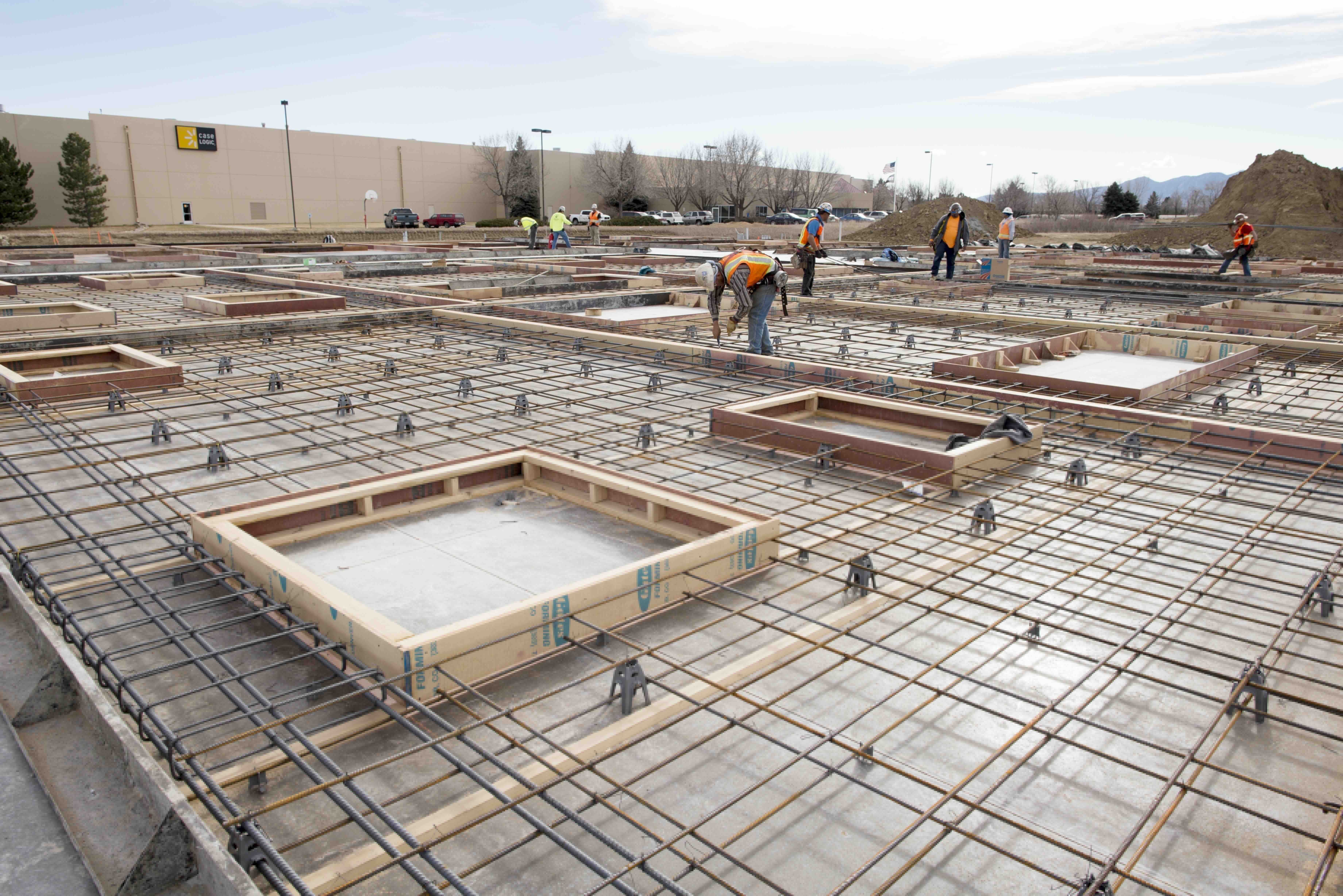
Source : Wikimedia
March 20, 2026
Author : Alex Bustillos
Retainage clauses are still one of the most vital - and sometimes neglected - parts of construction contracts. Project owners commonly use retainage as a financial tool to ensure that the work is completed to satisfactory standards. Contractors, however, point out that provisions not properly structured might cause them to face serious cash-flow problems and increase project risk if they are not carefully considered before agreeing to the contract.
In general, retainage refers to the portion of a contractor's remuneration that is withheld until after a specified milestone or the project's completion. Although the custom is common practice in all construction projects, public and private, both legal and financial experts advise that contractors must be very conscious of how retainage clauses are drafted and implemented in their contracts.
Sometimes, the amount of retainage on a project is 5% - 10% of the contract cost, which may be a big amount for contractors that are handling several projects at the same time. Since these amounts are withheld for very long periods - sometimes until the project is completed - contractors will have to finance the costs of labor, materials, and subcontractor payments without getting access to the full value of their earned revenue. Those familiar with the industry comment that cash-flow problems resulting from this type of scenario can be very challenging for small and medium contractors.
Most experts agree that builders shouldn't just accept contract terms outright. Instead, they might push for fairer conditions - like lowering holdback amounts once major tasks finish. Shifting payment timing based on completed sections may also be possible. Swapping retained funds for performance bonds is another path some consider. Proof of progress matters a lot here. Sharing updates regularly with clients often clears the way faster. When key stages wrap up, having solid records makes releasing money smoother.
These days, when government spending grows, constructors building things need to pay closer attention to what their contracts actually say - especially since new efforts help smaller or underrepresented companies get work. Take Washington State's program that certifies certain small firms for public construction jobs; it opens doors that were harder to reach before.
Newer shifts in federal guidelines tied to initiatives such as DBE and ACDBE certifications mean contractors must pay close attention - wording in contracts matters more now. Watching every detail helps avoid missteps under changing rules.
Careful review of retainage rules probably helps contractors keep money moving, lowers financial exposure, and supports better ties with project owners. This step tends to matter before starting any construction job.
Category : Market Watch Procurement