










Have a story idea
Have a story idea? Send it to us here.

Source : Unsplash
October 26, 2026
Author : Patty Allen
Climate change is ubiquitous, and as the country grapples with the impacts of AI data centers and a need for change, the pressing concern this winter remains the historic El Niño.
El Niño is a climate phenomenon where the ocean surface warms around the central and eastern tropical Pacific Ocean. During El Niño, the trade winds, which typically blow from east to west, weaken or, in some cases, reverse and blow westerly. As of mid-October, the 2026 El Niño is among the strongest on record and has been strengthening, with an expected peak during November-December, leading to a wetter, stormier California winter. The greater South-West US coast will experience a similar weather pattern.
With heavy rain forecast, the state auditor warned the public about the impact of the aging dam in the Bay Area, San Diego, and Los Angeles on public safety.
In September, Governor Newsom proclaimed a state of emergency, directing state agencies to start protecting vulnerable communities and prepare roads and critical infrastructure to withstand the deluge, incessant rains, and rising water levels. The governor’s action also directs agencies to stage emergency supplies (sandbags and pumps) and help local partners mitigate risks.
The state of emergency also requires Caltrans to stage traffic-control, road-closure, and snow-removal equipment across critical areas. It also prepares the California National Guard to support flood response and search and rescue.
“We are not waiting for this season’s storms to be on our doorstep,” said Cal OES Director Caroline Thomas Jacobs. By planning early and coordinating resources ahead of El Niño, we are working to ensure communities and first responders have the personnel, equipment, and support they need to prepare for severe weather, respond quickly when conditions change, and protect lives and property across California.”
This preventive response is driven by past El Niño events that have brought relentless rain, collapsing hillsides, and powerful surf along the coast.
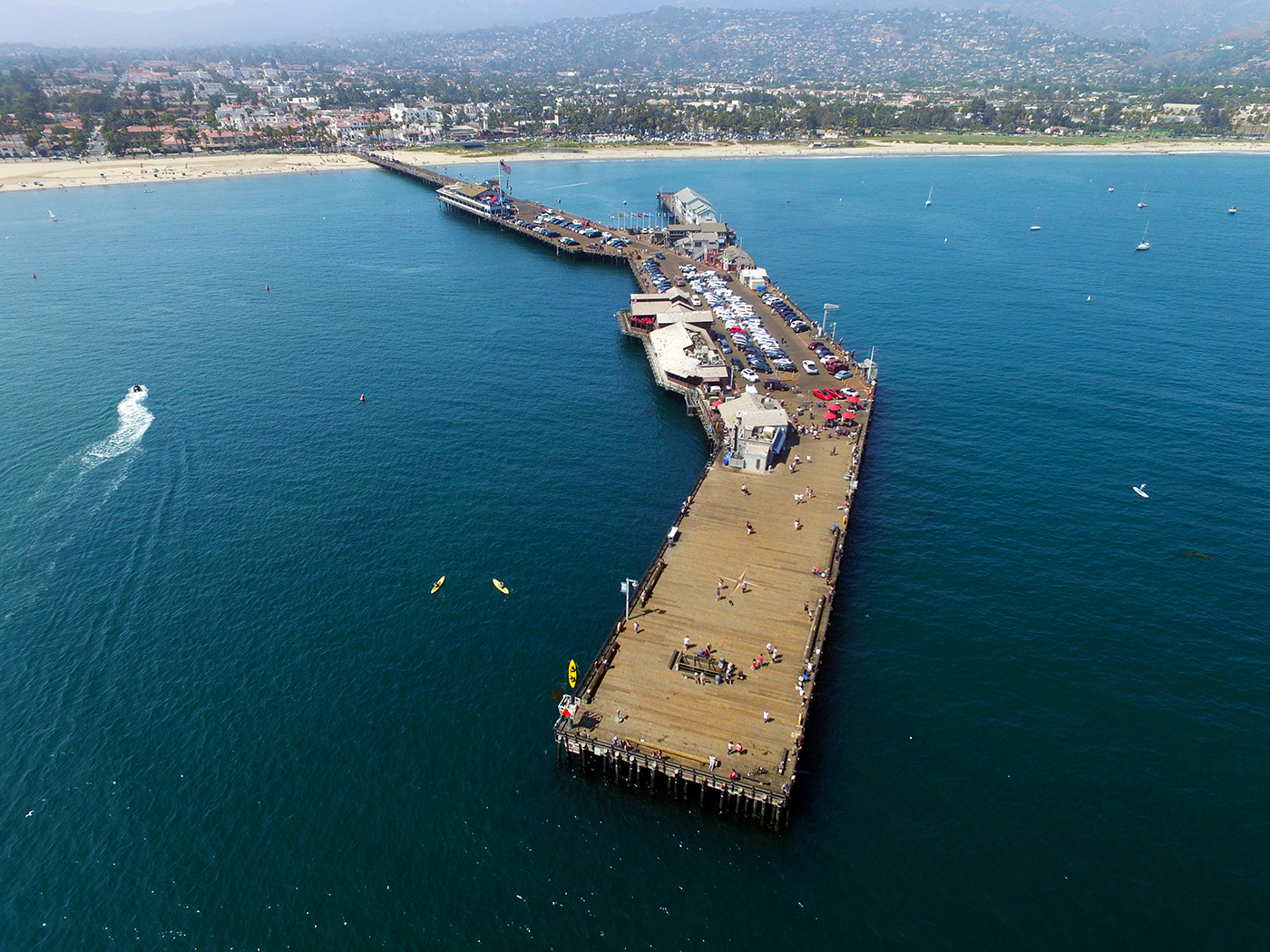
The warning signs are already visible. Powerful currents have caused extensive damage and erosion along the Orange County coastline. Rising water levels have damaged homes and obstructed access to beaches.
Public agencies are constructing berms, placing temporary boulders, and replenishing sand in Orange County. In LA County, agencies are removing 20,000 cubic yards of sediment from Devil’s Gate Dam and Reservoir, which is still recovering from the Eaton Fire.
The concern is not just public infrastructure but also natural resources. Warming ocean waters and flooding can devastate agriculture and have lasting impacts on marine life.
Amid the negative effects of El Niño, researchers hope the surplus floodwater can help replenish groundwater aquifers.
Category : Health and Safety International Investment in Infrastructure Local Government Market Watch