




Have a story idea
Have a story idea? Send it to us here.
Source : Wikipedia
August 15, 2026
Author : Patty Allen
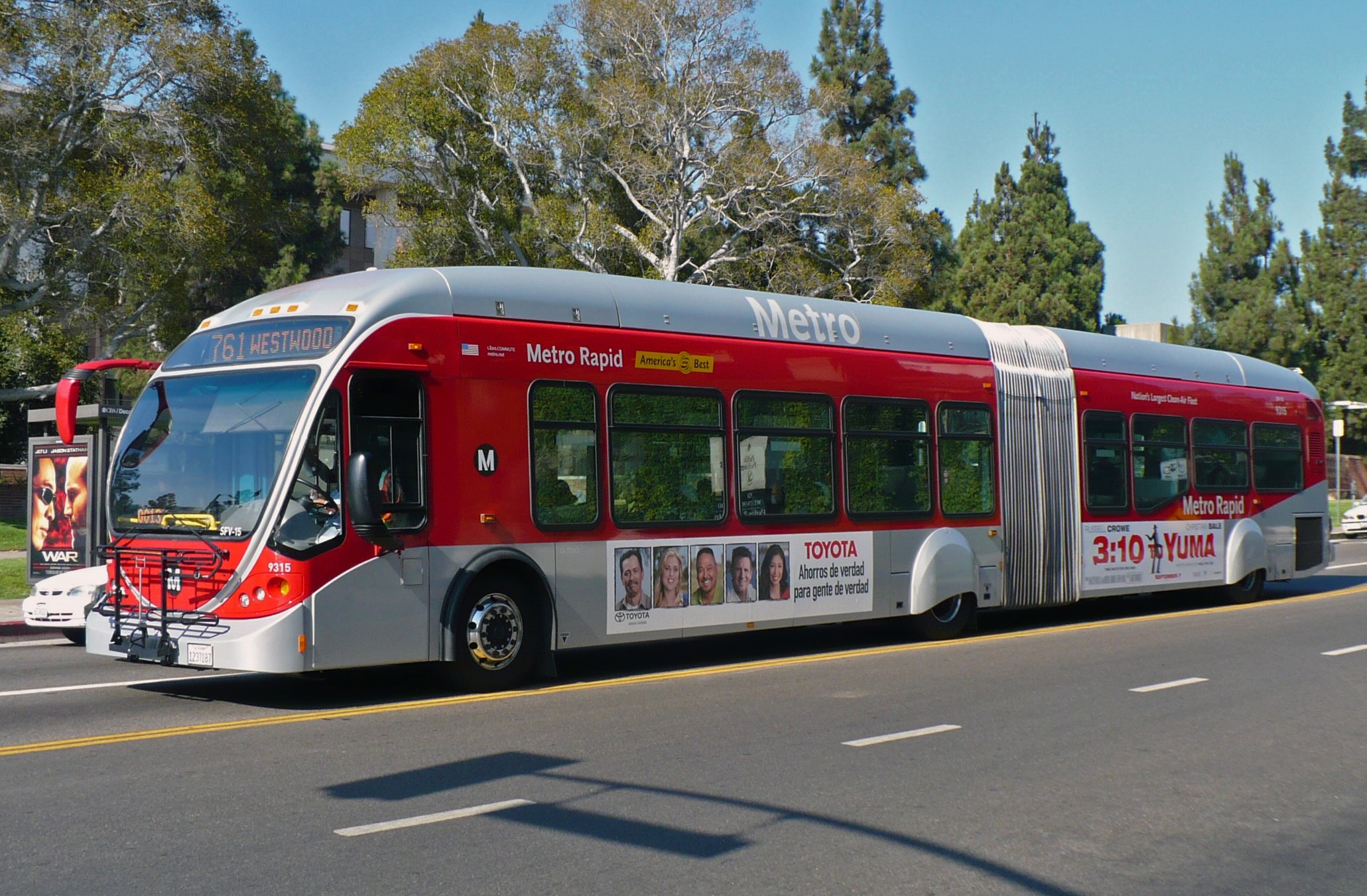
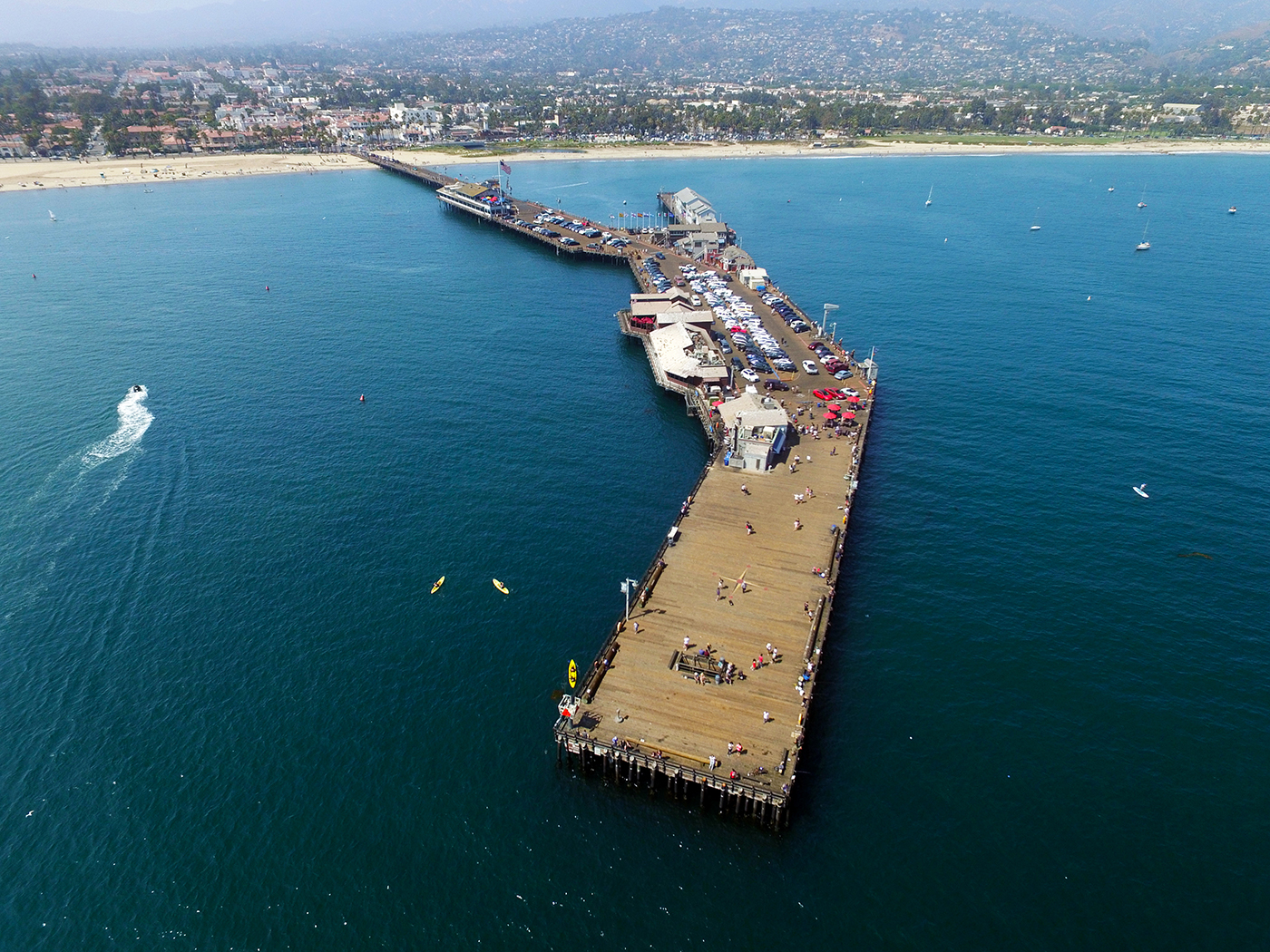
Santa Barbara, also known as the American Riviera, is looking for ways to reduce the county's climate impacts from greenhouse gas emissions, with transportation-related sources as a major contributor. To address this pressing issue, the Ventura County Transportation Commission (VCTC) has introduced electric buses on the Coastal Express route, which has connected the two counties for the last 25 years.
This route has been partly funded by Santa Barbara County’s Measure A, a half-cent transportation sales tax. Voters approved this tax to reduce traffic on Highway 101 and improve connectivity.
The new buses generate zero tailpipe emissions while reducing pollution and supporting long-term environmental goals. Funding for this new fleet comes from the California Greenhouse Gas Reduction Fund, and the project is a partnership between VCTC and the Santa Barbara County Association of Governments (SBCAG).
However, this isn’t the first time this Southern California County has used electric fleets. In retrospect, the Santa Barbara Metropolitan Transit District (SB MTD) launched the first battery-electric bus in 1991 and operates one of the largest electric fleets in the state, with a goal of reaching a fully zero-emission fleet by 2030.
Office-goers who are looking for a faster, cheaper, and more sustainable commute: a new daily AMTRAK Pacific Surfliner train connects LA to San Luis Obispo. About 12,000 people commute for work between Ventura and Santa Barbara, and many support this new transportation option.
Bonfilio, director of multimodal programs at SBCAG, explained, “That adds a lot of congestion on our roadways. And so, if we can take just a small percentage, let's call it 4 to 5% off the road and put them on the trains, that helps open up the freeway and manage our available resources.”
This one-year pilot project is a collaboration between VCTC, SBCAG, and LOSSAN (the agency managing Surfliner), and has helped reduce traffic on 101, commute time, and travel costs.
The county’s transportation system is undergoing a complete overhaul as it is set to receive $50 million in funding from the annual rollout of local sales tax revenue. FY 2026-27 will generate $270 million, distributed over the next five years. Measure A, which was approved by 79% of county voters in 2008, is now estimated to generate $1.6 billion in taxes, far exceeding the initial estimate.
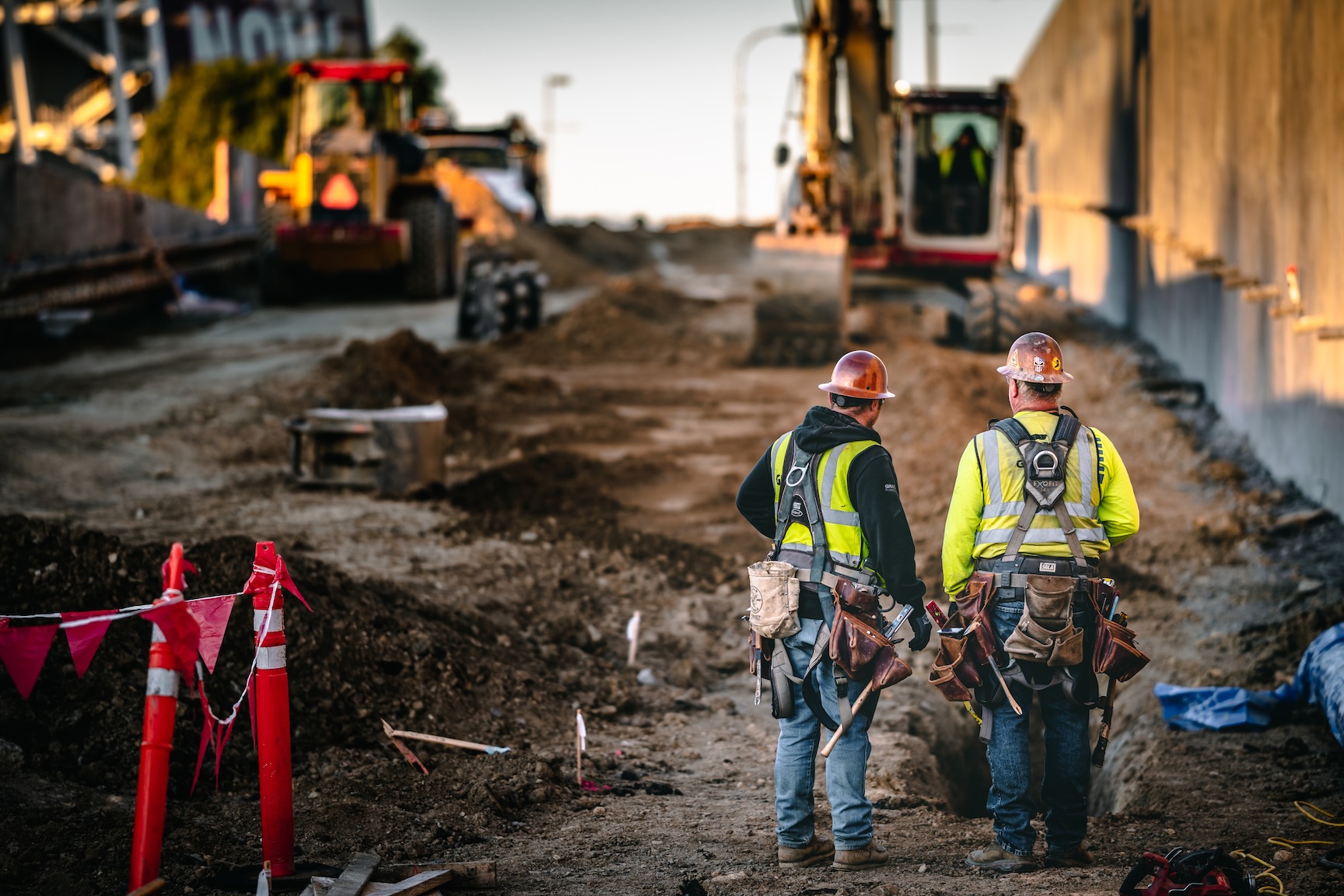
The Measure A funds generated are being used to widen Highway 101 along the south coast, and in the next five years will receive more than $63 million. Other funding allocations in the South County include:
The cities of Carpinteria, Goleta, and Santa Barbara will receive $5.2 million, $11.8 million, and $26 million, respectively, for street maintenance and other priorities.
The five-year spending plan for the North County includes:
Category : Investment in Infrastructure Local Government