




Have a story idea
Have a story idea? Send it to us here.
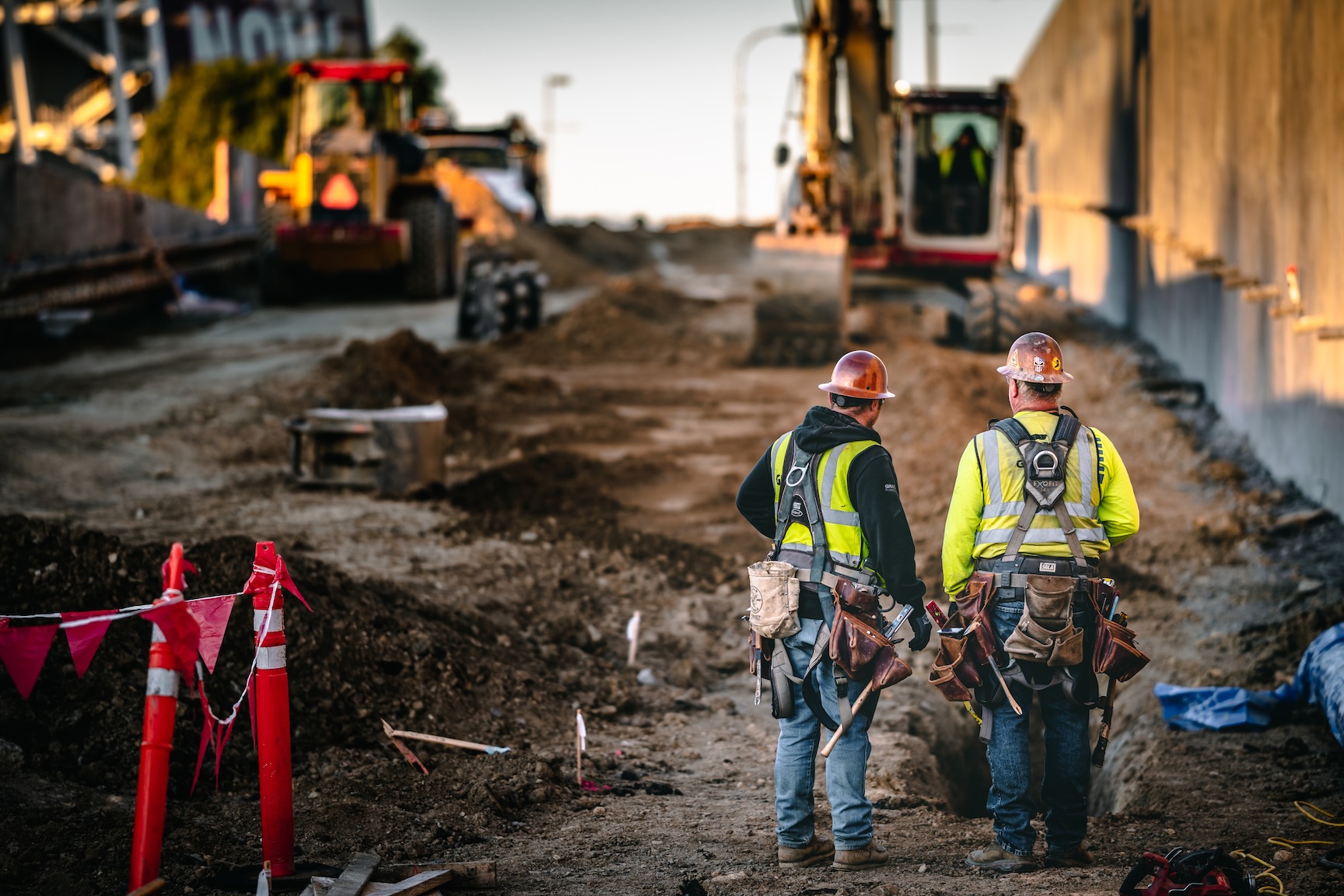
Source : Unsplash
July 23, 2026
Author : Patty Allen
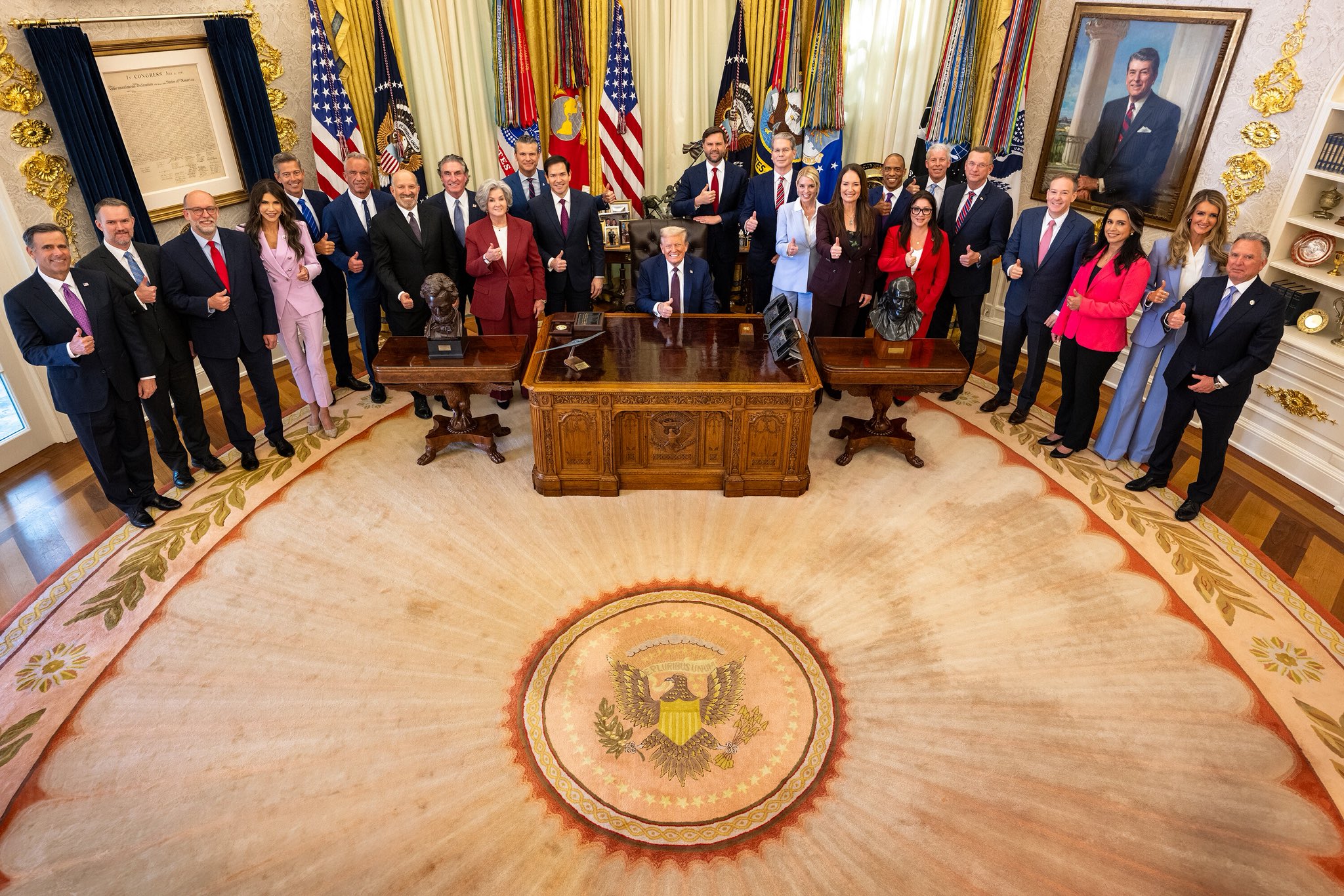
Governor Gavin Newsom signed his final California budget before leaving office. The governor signed the $351.7 billion state budget, approving the balanced spending plan for FY 2026-27. Democrats emphasize that this budget will eliminate the budget deficit for the next two years.
The legislature also passed budget trailer bills that specify how money allocated to specific state programs should be used. The Inland Empire Caucus has lauded the new funding in the 2026-27 budget for increasing the number of judges in California’s courts.
The state budget has allocated $44 million annually to add 13 new superior court judges and $100 million for court buildings approved under Chapter 482, Statutes of 2023. The shortfall in the number of judges has led to a delay in court cases.
"For decades, the Inland Empire has struggled with a shortage of judges despite being one of California's fastest-growing regions," said Assemblymember Juan Carrillo, Chair of the Inland Empire Legislative Caucus. "This budget represents real progress toward bringing our courts closer to the level of service our residents deserve”
The 2026-27 budget provides $150 million for postponed courthouse repairs and $100 million, plus $44 million, for new judges and related building costs. This funding will lead to 13 new judgeships over the next five years. Court trailer bill SB/AB 174 extends the court's ability to hold remote hearings. The bill sets 2029 as the new deadline for providing public lactation rooms.
On 17th July, the Judicial Council met to consider ways to allocate funding to trial courts included in the state budget. The council will consider submitting 24 budget change requests to the California Department of Finance to secure additional funds for appointing new judges, court-appointed lawyers, and interpreters, and for building and maintaining new courthouses.
The Council will review the Judicial Branch Five-Year Infrastructure Plan and five budget change requests for building projects in 2027-28. The plan seeks to construct new buildings, renovate, and upgrade existing facilities.
The state budget provides the judicial branch with a total of $1.9 billion ($179.7 million from the General Fund and $1.7 billion from the Public Buildings Construction Fund) for courthouse capital-outlay projects. In addition, the budget has a provision that requires the Judicial Council to submit a report to the Legislature by January 10, 2027, stating the strategies to accelerate and streamline courthouse construction.
The active Court of Appeal-New Sixth Appellate District Courthouse is fully funded and was authorized in the Budget Act of 2023 for $2.8 million for the performance criteria phase, and in the Budget Act of 2024 for $89.5 million for the design-build phase.
To get funding for the council’s trial court building projects in the Budget Act of 2027 (FY 2027–28), the five-year plan and COBCPs must be sent to the Department of Finance by August 3, 2026. To move forward with the courthouse construction program, no options other than the recommended action were considered.
Statewide List of Capital-Outlay Projects
The Council is revising the prioritization methodology in two steps. The first step involves evaluating buildings based on physical conditions, court security, accessibility, and overcrowding. The next step includes grouping and ranking projects based on needs- and cost-based criteria. The Judicial Council has also supported sustainability practices in the construction and maintenance of the 430 facilities within California’s court system.
Category : State Government