











Have a story idea
Have a story idea? Send it to us here.
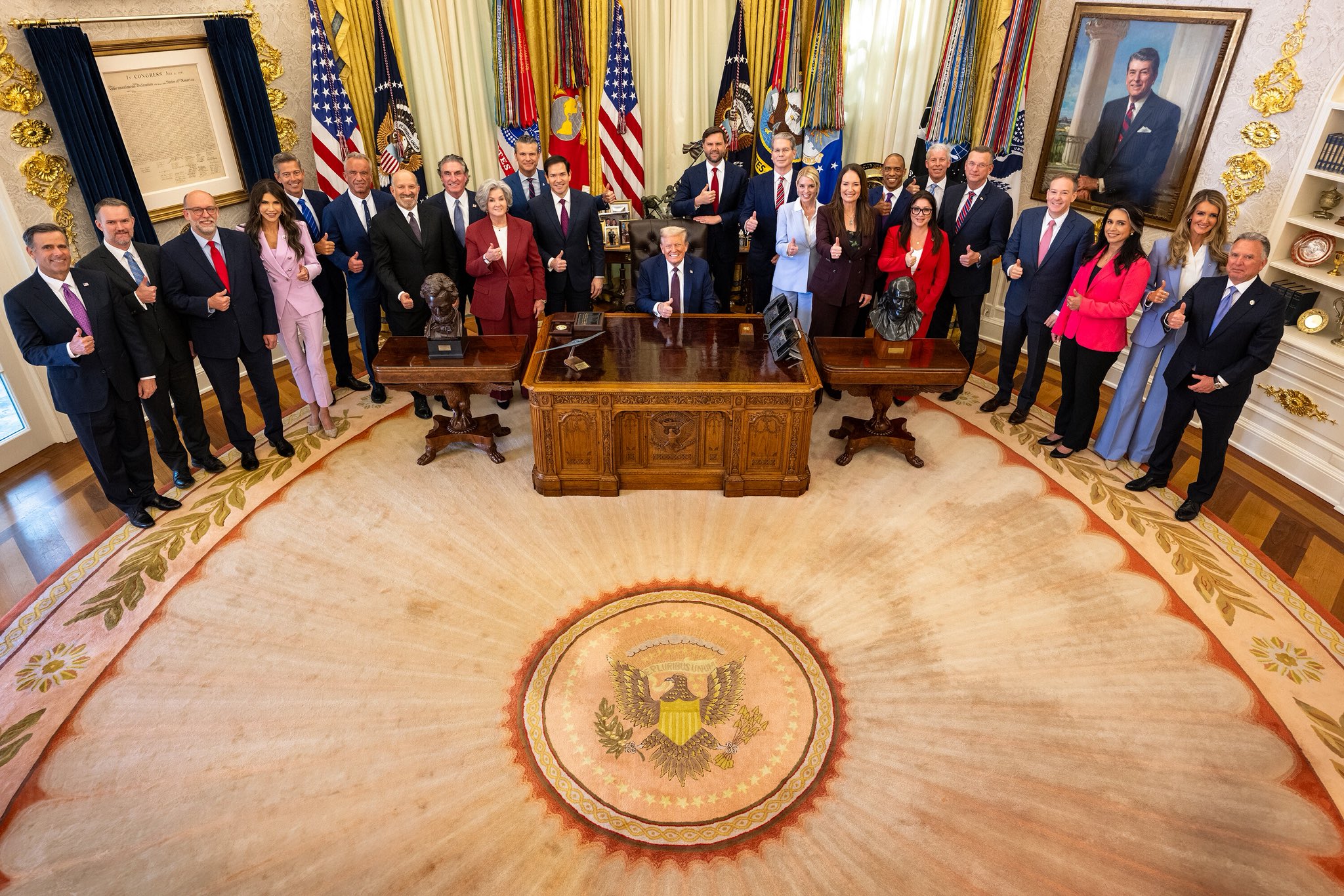
Source : Wikimedia
April 23, 2026
Author : Alex Bustillos
Most civilian federal employees are about to get a pay freeze for five years beginning in 2027, according to budget documents from the Trump administration.
This pay freeze has prompted concern among labor groups and policy analysts who state that a pay freeze will negatively impact morale, retention rates, and consumer spending in regions with heavy reliance on the federal workforce.
Labor organizations representing federal employees quickly responded by condemning the proposal. Many workers have already suffered through years of pay increases that are less than inflationary and rising living costs.
Labor representatives indicated in their opposition that an extended pay freeze would decrease purchasing power within the workforce and impede federal agencies’ ability to attract qualified candidates for engineering, procurement, project management, and technical positions related to the execution of the delivery of public infrastructure.
For contractors and other companies involved in infrastructure, the decision to have a pay freeze has many potential secondary effects.
Civilian federal agencies issue billions of dollars annually in contracts regarding transportation, defense-related construction, and facility improvements/repairs. If employment shortages continue or morale deteriorates, procurement timelines, contract approval processes, and project administration processes may experience delays.
Legal and contracting experts have indicated that limited access to qualified workers generally creates bottlenecks in the solicitation, change order, and compliance process.
To help mitigate the impact of elevated expenses associated with increased construction prices on federal agencies, as well as other issues affecting award and obligation time frames, the administration has established a hiring freeze on civilian positions funded through the federal budget that directly relate to public works construction projects as a short-term solution.
There are many joint federal and state-funded construction projects and transportation and transit agencies that are affected by these actions.
For example, due to federal budget freezes and uncertainties concerning the funding of various federal transit projects in New York City, many contractors are in a position where they cannot determine how the federal government plans to spend its budget, and therefore have serious concerns regarding whether they will receive sufficient funds to support ongoing public works initiatives.
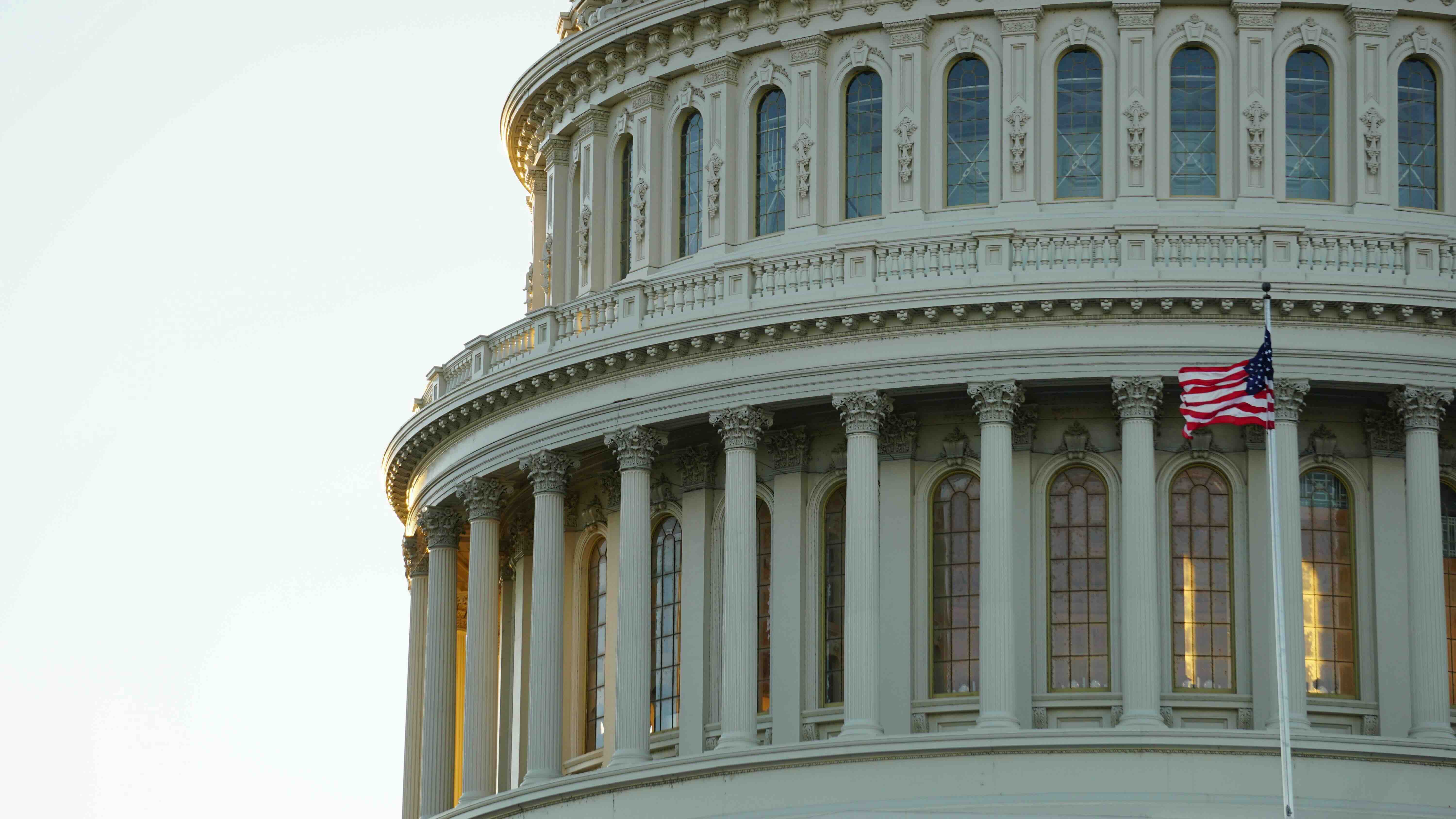
While the final decision regarding any funding freeze will be made by Congress, this proposed action by the administration clearly conveys that they are prioritizing the reduction of costs associated with or funded through the civilian workforce and reallocating those savings to increase funding associated with national security programs.
For contractors with an eye on federal market activity for additional opportunities, it is critical to realize that the volume of projects will continue to grow, and that with fewer staff/resources in place within governmental agencies, the rate of processing these various projects could slow the overall flow of projects moving through the construction pipeline.
Category : Federal Government State Government Taxes and the IRS