

















Have a story idea
Have a story idea? Send it to us here.
Source : Savannah District, U.S. Army Corps of Engineers
March 21, 2026
Author : Patty Allen
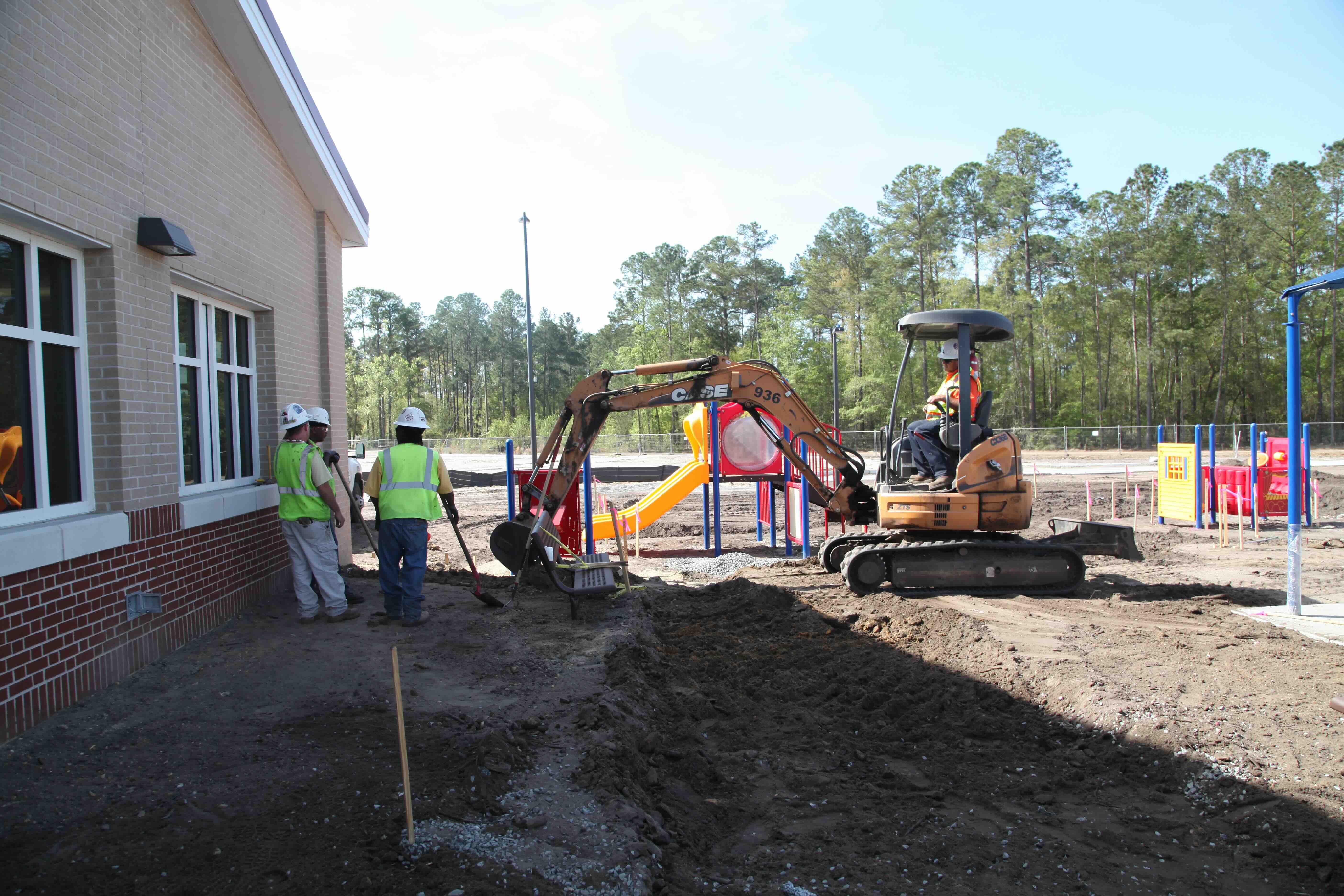
School construction bonds are still being spent on new classrooms, improvements, and campus updates nationwide. This keeps contractors and infrastructure companies busy with consistent projects.
The bond method is common among states and school districts. Agencies at the state and federal levels issue bonds to raise money for big projects, expecting payments over time. Voter approval often helps pass these bond measures.
Federal and state efforts have strongly influenced how bond funds are shared. Older federal plans gave large amounts to states and local education groups, using student poverty data and existing education formulas. In short, 40% of the funds went to the 100 districts with the most low-income students. The other 60% went to states so they could distribute them further.
The thing is, the way these programs are built leads to uneven school-building spending across areas. It depends on how many students are enrolled, how poor a region is, and what policies states use to split funds. Some states get much more money per student than others. This shows how funding formulas directly affect what schools build and how long-term infrastructure investments happen.
School districts now rely more on bond markets as pandemic relief ends. Experts say interest in school bonds has increased because districts face budget gaps and need money to fix outdated buildings. This shift has caused fresh activity in municipal bond markets focused on education projects.
In many states, bond funding is tied to state aid programs that help school districts pay for construction. Districts often need to pass local bond votes or levies to get matching funds from state programs. That rule creates differences, because richer districts can raise more through local bonds than poorer ones.
Schools still need big investments in buildings and facilities. A national look at how states fund school building shows varied methods, such as grants, local bonds, and combined models. These options help districts build and upgrade schools.
For construction firms, bond financing offers a clear path forward. School districts across the country are starting new projects, like major campus expansions and facility updates. In California, K-12 districts have launched many new building efforts linked to infrastructure funding.
Category : Federal Government State Government Schools