







Have a story idea
Have a story idea? Send it to us here.
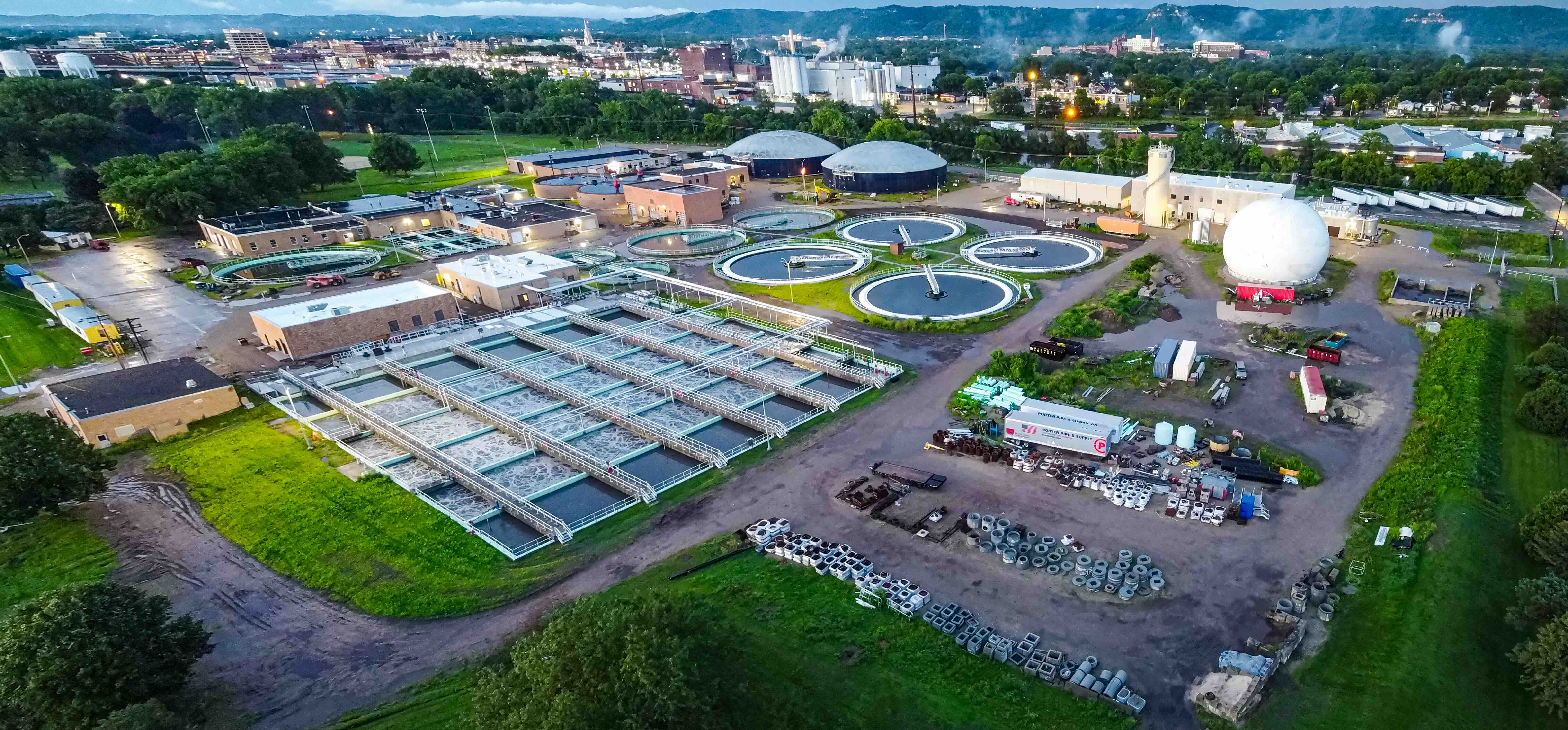
Source : Wikimedia
January 16, 2026
Author : Alex Bustillos
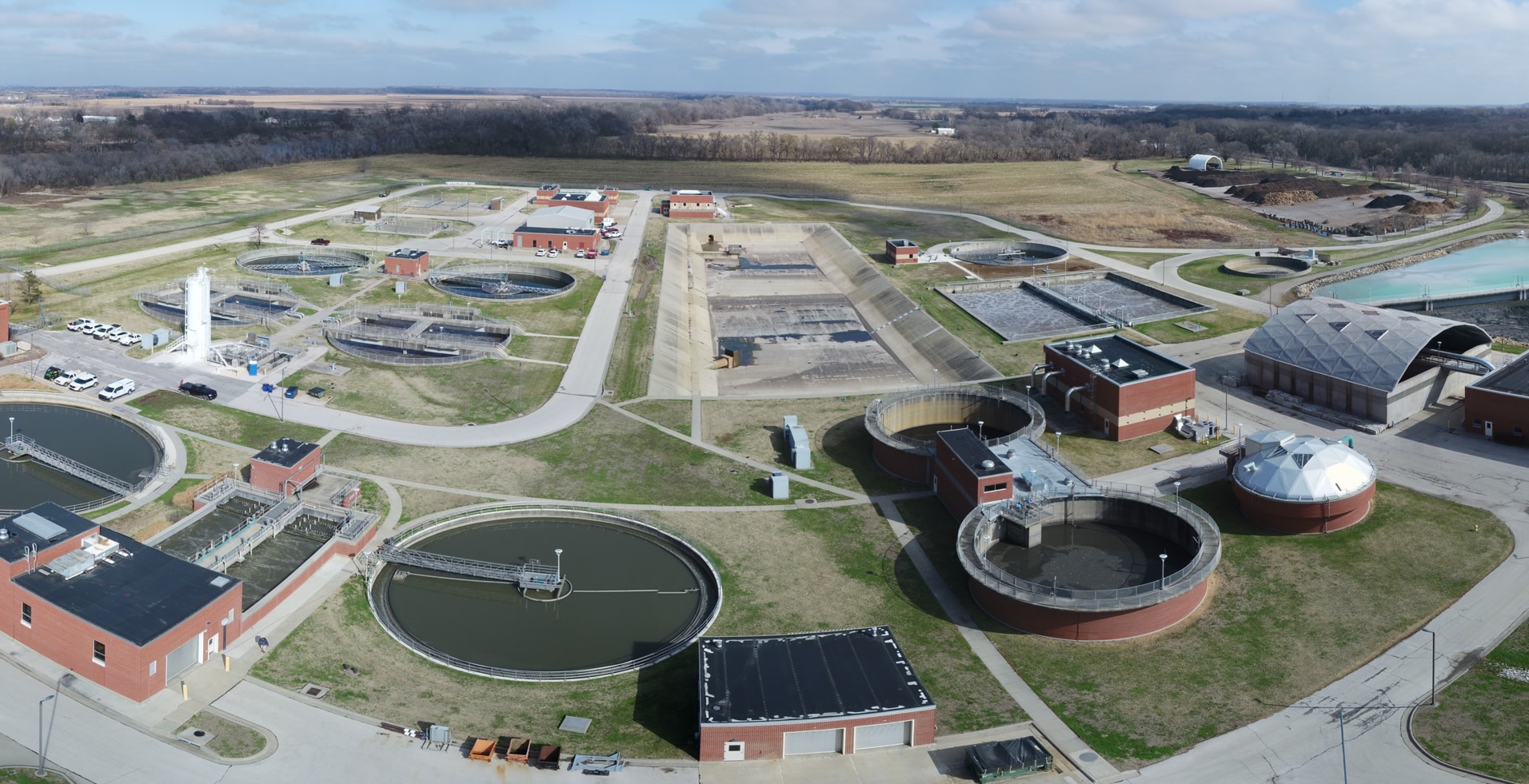
A huge funding initiative of $484 million for enhancing wastewater treatment facilities and stormwater systems has been unveiled by the Wisconsin authorities, pressing the accelerator for helping improve essential facilities.
The funding initiative is one of the largest ever for any singular purpose within the state during recent times. It would not only focus on aging infrastructures but would also strengthen its ability against weather changes.
The sources of funding for these projects have been stated to be from both state and federal government finances, according to a report. The project funds are largely allocated to cities that are aiming to upgrade old treatment facilities, failing sewer infrastructure, and stormwater control to effectively harvest runoff. These projects will target areas relating to both public health concerns and concerns related to the environment, especially in rural areas.
Officials have reported that the appropriation will benefit the local jurisdictions in meeting tougher regulations enforced with respect to water quality, as well as reduce contaminants entering lakes and rivers. In cities such as Wisconsin, there are many older wastewater infrastructure networks that were installed several decades ago.
This is a common plight for cities across the United States, as their infrastructure has outlived its intended shelf life by several decades. With the infusion of funds, more comprehensive improvements can be made with less financial burden on consumers.
This round of investment includes provisions for wastewater treatment infrastructure as well as stormwater infrastructure. This change in investment strategy is reflective of a broader change in strategy related to water infrastructure. Stormwater infrastructure was considered secondary infrastructure relative to sewage treatment infrastructure, although the importance of stormwater infrastructure with respect to flood mitigation and water quality is now recognized because of the increase in the intensity of storms related to climate change.
This capital infusion comes at a time when the funding of water infrastructure has become a concern at the national level. In the Midwest alone, states are investing capital to improve the infrastructure by utilizing programs offered by the government, such as the Water Infrastructure Finance and Innovation Act (WIFIA) program.
This development is timely as it assists small municipalities in gaining momentum by ensuring that they are able to gain capital that might have been difficult for them to attain on their own.
Aside from having some benefits for the environment, the projects that the $484 billion funding package supports may also generate jobs. The engineering companies, construction companies, and equipment vendors may benefit as the towns begin processes related to the planning, permitting, and construction phases.
In the larger regional environment, there are significant transport and infrastructure development activities being undertaken by other states as well. For instance, the Minnesota and Wisconsin DOTs are teaming up to replace the Blatnik Bridge with a project that is valued at $1.8 billion. At the same time, in excess of $830 million has been granted by the USDOT to various parts of the U.S. to upgrade the road and bridge infrastructure.
Category : Investment in Infrastructure State Government