










Have a story idea
Have a story idea? Send it to us here.
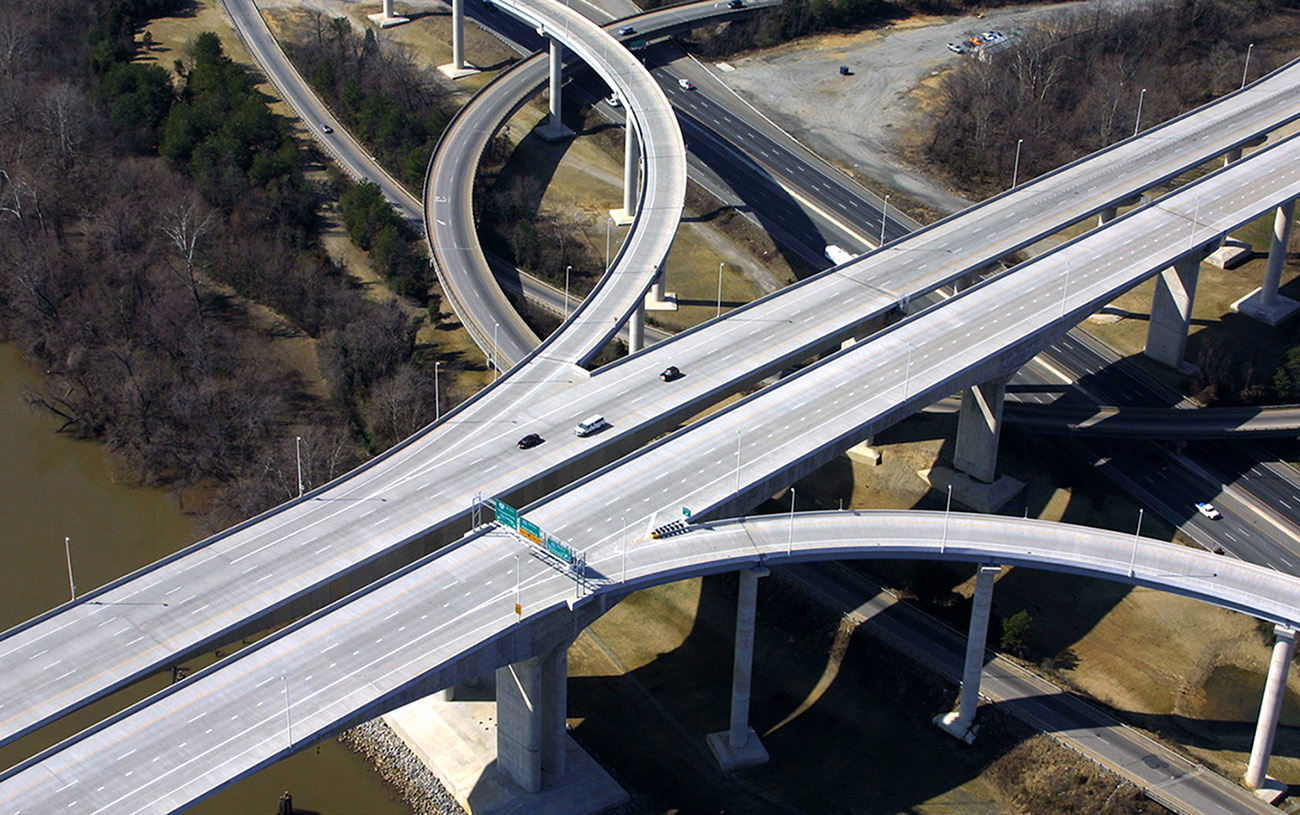
Source : Virginia DOT
November 2, 2026
Author : Patty Allen
The infrastructure of the Commonwealth of Virginia has received a Grade “C” from the American Society of Civil Engineers (ASCE) in its 2026 Virginia Infrastructure Report Card.
The state faces a funding deficit of approximately $1.7 billion for highway maintenance.
During a recent work session with the Virginia DOT, the Commonwealth Transportation Board learned that a funding shortfall remains for all necessary projects.
Poor road conditions in the Commonwealth affect economic stability and safety.
As of 2026, the state has approximately 21,20 bridges, 59,700 miles of pavement, and 130,400 lane miles. This network of infrastructure requires regular maintenance to ensure adequate conditions for pedestrians and traffic movement.
However, recent budgetary issues have raised questions about the upcoming maintenance work.
The state faces a deficit driven by rising highway construction costs and outdated estimates that don't match current inflation rates.
Since 2022, the agency has learned that pavement maintenance funding has exceeded the budget. The Commonwealth Transportation Board (CTB) addressed this by moving funds from the construction budget; however, it wasn’t sustainable.
The Virginia Appropriation Act gives the government legal authority to withdraw money from the public treasury to fund public programs. This state act requires budgeting, allocation, and spending of transportation assets as a priority.
The Appropriation Act also requires the CTB to prioritize maintenance funding before allocating money for new construction.
Laura Schewel, the deputy secretary of transportation, proposed cross-over funds as a strategy to address the shortfall. This would shift money from the construction fund to maintenance. While it may address the current dilemma, it adds to future challenges, including a deficit in construction funds.
Schewel has suggested that beginning in FY 2028, the maintenance budget be increased to approximately $290 million annually over the next six years. This proposed change can impact several new construction projects, including the SMART Scale (System for the Management and Allocation of Resources for Transportation) program.
The Infrastructure Investment and Jobs Act (IIJA), ended on December 11, 2026 (after an extension by Congress after it expired on September 30, 2026), provided VDOT with $115 million annually. The state agencies are now waiting to learn whether the IIJA will be reauthorized.
The CTB in November 2025, agreed to combine unallocated funds from the Priority Transportation Fund and Grant Anticipation Revenue Vehicle (GARVEE) Bonds with the $103.5 million in revenue collections.
This fund was supposed to advance several priority projects totaling $715 million while giving the transportation program greater flexibility.
The funding shortfall has drawn criticism from several advocacy groups.
“This deficit highlights the importance of a fix-it-first approach to our transportation network, spending our limited funds wisely by making efficient use of existing infrastructure and ensuring more compact and efficient land use,” explained Stewart Schwartz, executive director of the Coalition for Smarter Growth.
Category : Department of Transportation State Government Freeways and Highways