















Have a story idea
Have a story idea? Send it to us here.
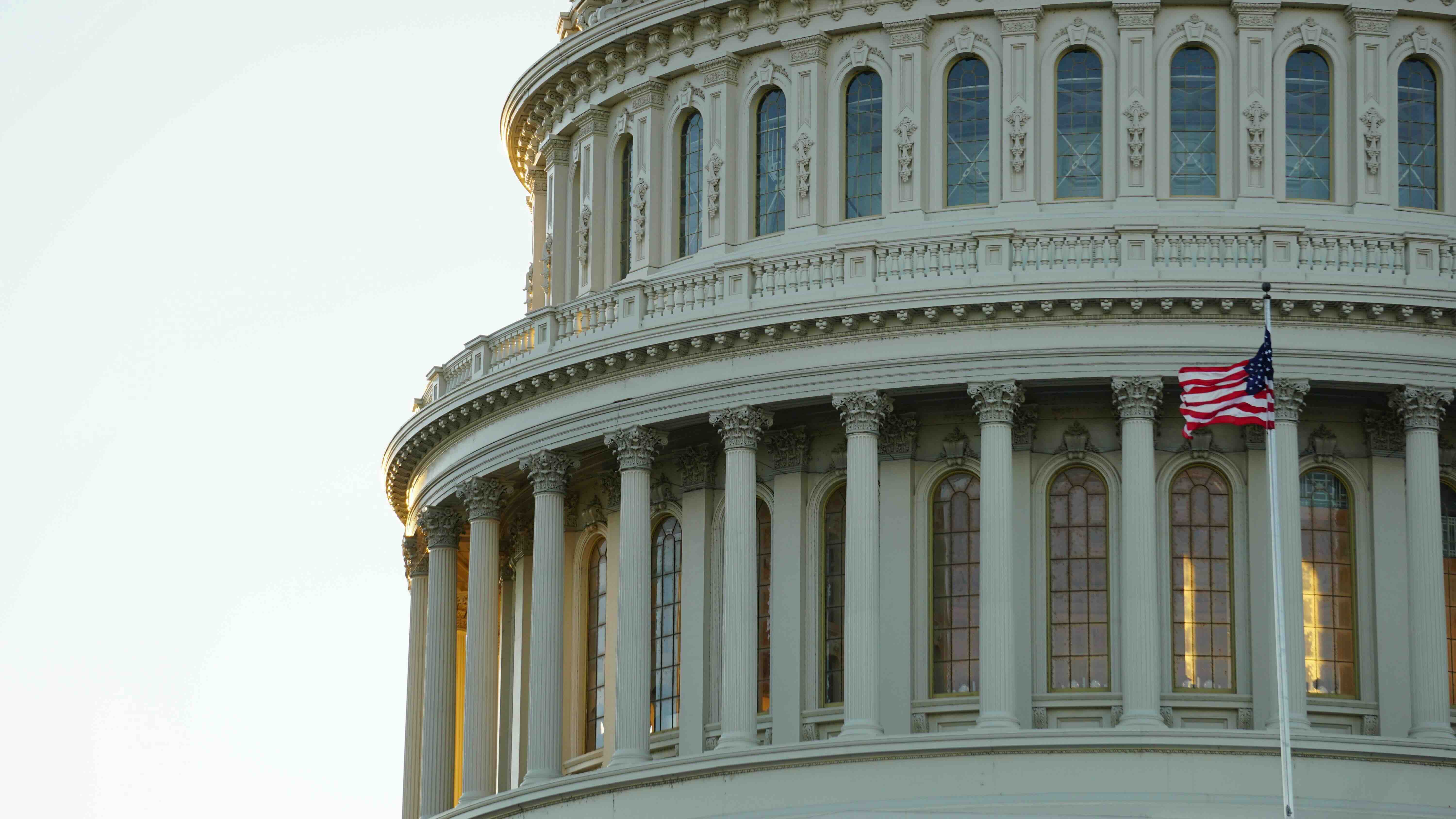
Source : Ian Hutchinson, Unsplash
June 19, 2026
Author : Patty Allen
Companion bills introduced in Congress would repeal several longstanding federal contracting programs for disadvantaged businesses, including the Small Business Administration's (SBA) 8(a) Business Development Program and the Department of Transportation's Disadvantaged Business Enterprise (DBE) program.
The legislation would also repeal certain special contracting authorities and participation provisions applicable to Alaska Native Corporations (ANCs), Indian Tribes, and Native Hawaiian Organizations. In addition, the bills would repeal the Minority Business Development Act of 2021 and the Women-Owned Small Business (WOSB) Program, including the federal government's 5% contracting goal for women-owned small businesses.
The Ending Discrimination in Government Contracting Act would prohibit federal contracting preferences and programs that allocate opportunities on the basis of race, ethnicity, or sex. However, the legislation would preserve HUBZone and veteran-owned business programs.
Supporters argue that federal contracts should be awarded through race- and sex-neutral processes and that assistance should be based on demonstrated economic disadvantage rather than group identity. They contend that contracting preferences and participation goals based on race or sex constitute discriminatory treatment and undermine equal treatment under the law.
Meanwhile, Defense Secretary Pete Hegseth has announced that the Department of Defense (DoD) will expand audits of 8(a) sole-source and set-aside awards exceeding $20 million. Identified contracts will undergo a two-step review by senior officials, including assistant secretaries, senior executive service civil servants, or equivalent military officials.
For many small businesses, however, these programs have provided access to federal contracting opportunities that can otherwise be difficult to enter because of bonding requirements, project size, and competition from larger firms.
Democratic lawmakers and other critics argue that eliminating the programs could reduce opportunities for disadvantaged and small-business owners. U.S. Senator Reverend Raphael Warnock (D-GA), joined by 32 colleagues, has urged Transportation Secretary Sean Duffy to reconsider efforts to repeal the DBE and Airport Concession Disadvantaged Business Enterprise (ACDBE) programs.
"As long as DBE and ACDBE small businesses remain sidelined, hardworking Americans will be faced with higher costs from reduced competition, increased traffic, longer commutes, and an incomplete transportation system that limits physical, social, and economic mobility," Warnock said.
Critics further contend that repealing the programs could diminish the participation of women- and minority-owned firms in federal contracting and increase market concentration among larger contractors.
At the same time, some lawmakers are pursuing a different approach. House Transportation and Infrastructure Committee Chairman Sam Graves (R-MO) and Ranking Member Rick Larsen (D-WA), along with Highways and Transit Subcommittee Chairman David Rouzer (R-NC) and Ranking Member Eleanor Holmes Norton (D-DC), have introduced the BUILD America 250 Act, a bipartisan five-year surface transportation reauthorization bill.
The legislation would reauthorize and strengthen the DBE program, stating that, despite progress in reducing racial and gender discrimination, disadvantaged business enterprises continue to face significant barriers to participation in federally funded transportation projects. The bill would establish a new national aspirational goal that at least 10% of eligible funding be made available for participation by DBEs.
The competing proposals highlight a growing divide in federal contracting policy: whether government should move toward race- and sex-neutral procurement systems or continue targeted programs designed to address longstanding barriers faced by disadvantaged businesses.
Category : Disadvantaged Business Enterprises Minority Business Enterprises Minority Women Business Enterprises Veteran Business Women Business Enterprises Department of Transportation Disparity Studies Diversity Outreach Federal Government