

















Have a story idea
Have a story idea? Send it to us here.
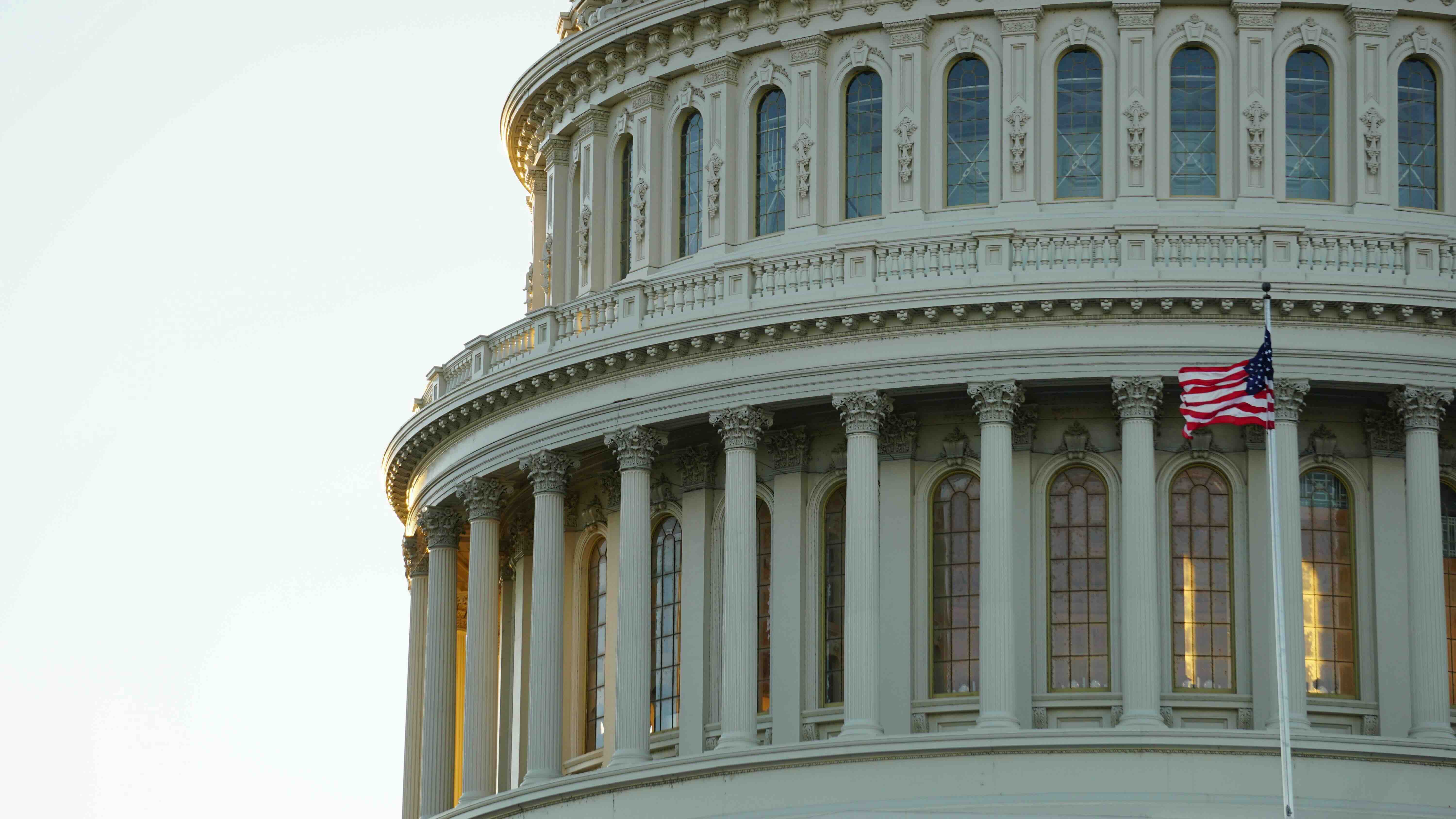
Source : Unsplash License
May 5, 2026
Author : Alex Bustillos
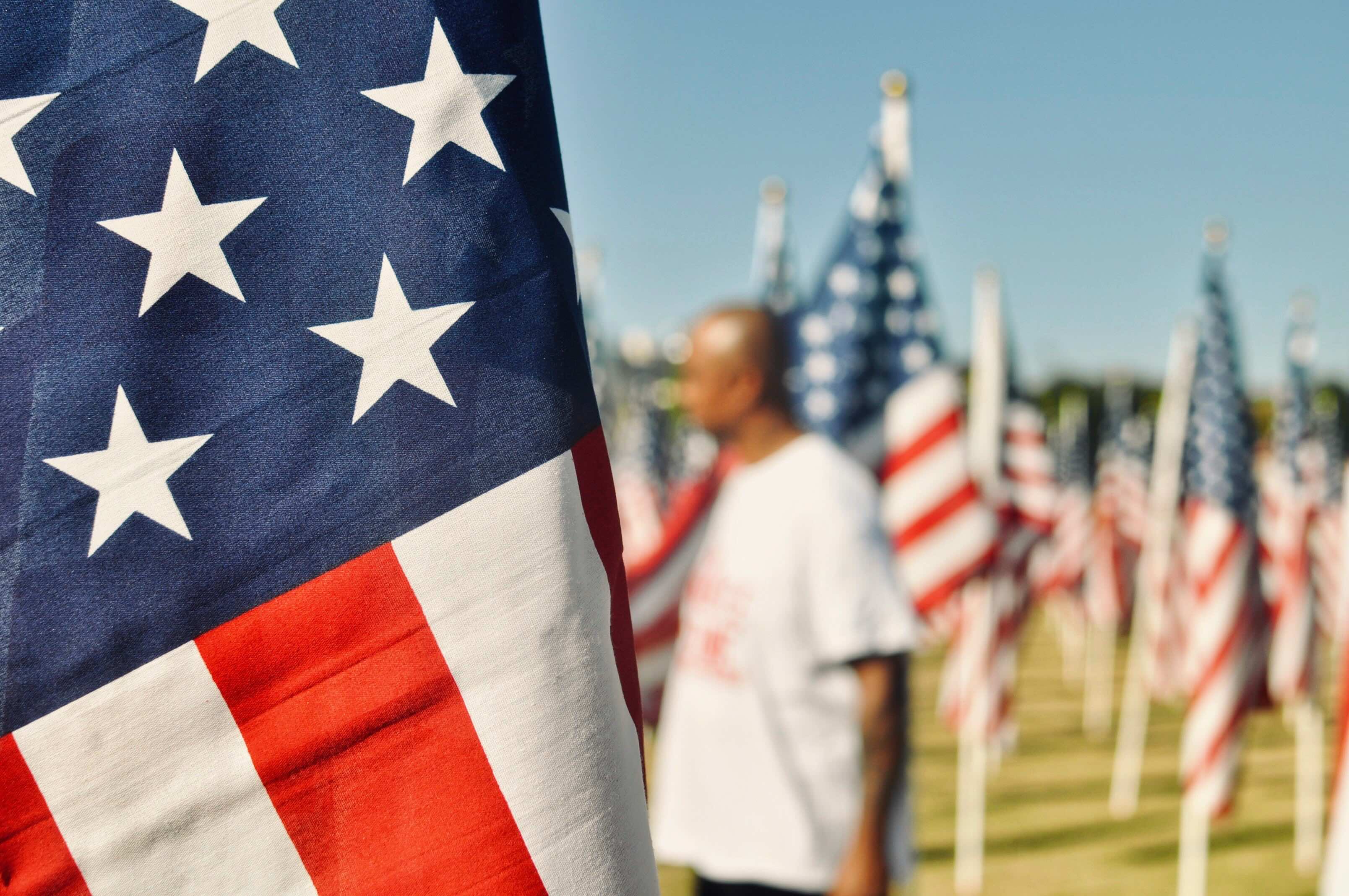
The Small Business Administration (SBA) is considering new factors to grade agency efforts for small business contracts. One of the significant changes that has attracted public interest is the focus on veterans, both service-disabled and non-service-disabled.
A new report published the SBA writes that, “America’s veterans sacrificed their lives and earned special considerations, including in federal contracting. When they return home, they are met with economic challenges that limit their access to capital and start growing small businesses.”
Trump appointed SBA officials are moving the agency away from the goals of the former Biden administration and past administration, which prioritized civil rights era initiatives and demographics studies to promote diveristy.
The other changes mentioned include fewer sole-source 8(a) contracts (these are federal contracts that are non-competitively awarded to vetted, small disadvantaged businesses), and the small disadvantaged business category was redefined to economically disadvantaged to include Small Disadvantaged Business (SDBs) and veteran-owned businesses.
According to the report the new changes are intended to act against fraudulent practices and ensure the agency provides “competitive value to the taxpayer”.
This announcement comes at a critical juncture when the federal government is showing renewed support for innovation-driven small businesses.
Last month, President Trump signed the Small Business Innovation and Economic Security Act into law, which reauthorizes the Small Business Innovation Research (SBIR) and Small Business Technology Transfer programs until 2031. These programs are often known as “America’s Seed Fund,” offering funding to startups and small businesses working on emerging technologies.
SBA’s scoring metrics will also change. The previous methodology dedicated 50% towards prime contracting achievements, 20% for subcontracting, 20% for the OSDBU peer review on agency compliance with section 15(k) of the Small Business Act, and 10?dicated to the comparison of the number of small business prime contractors in each of the five small business categories as compared to the prior fiscal year.
The new SBA fiscal metrics include 50% for prime contract rewards, 25% for subcontracting rewards, 15% for serving veterans, 10% for providing competitive value to the taxpayer, and 10% partnering with SBA to reduce fraud. A quick calculation shows it comes to 110%, but SBA has yet to explain how the new evaluation will work.
The new SBA metrics are raising compliance issues, and policy analysts are highlighting the timing of these new rules. These mid-year small business scorecard changes could alter how small firms procure federal contracts.
The reforms have come under criticism. Rep. Nydia Velázquez (D-N.Y.) urged the SBA to withdraw the “vague and ill-advised midyear update,” fearing it will have negative consequences for small businesses.
George Price, a former director of the Office of Small and Disadvantaged Business Utilization at the State Department, explains some of the drawbacks to the new change, “Section 15K of the Small Business Act has 22 requirements of small business offices within individual agencies. I didn’t see any of those in this document. Things like outreach, training, helping small businesses get invoices, and reviewing consolidations and bundling. Omitting those things tell agencies they aren’t important and that not doing them is okay. That is devastating for small businesses.”
For many startups and contractors, the outcome could shape access to billions of dollars in federal opportunities over the next few years.
Category : Disabled Veteran Businesses Disadvantaged Business Enterprises Small Business Enterprises Veteran Business