










Have a story idea
Have a story idea? Send it to us here.
Source : Unsplash
May 14, 2026
Author : Alex Bustillos
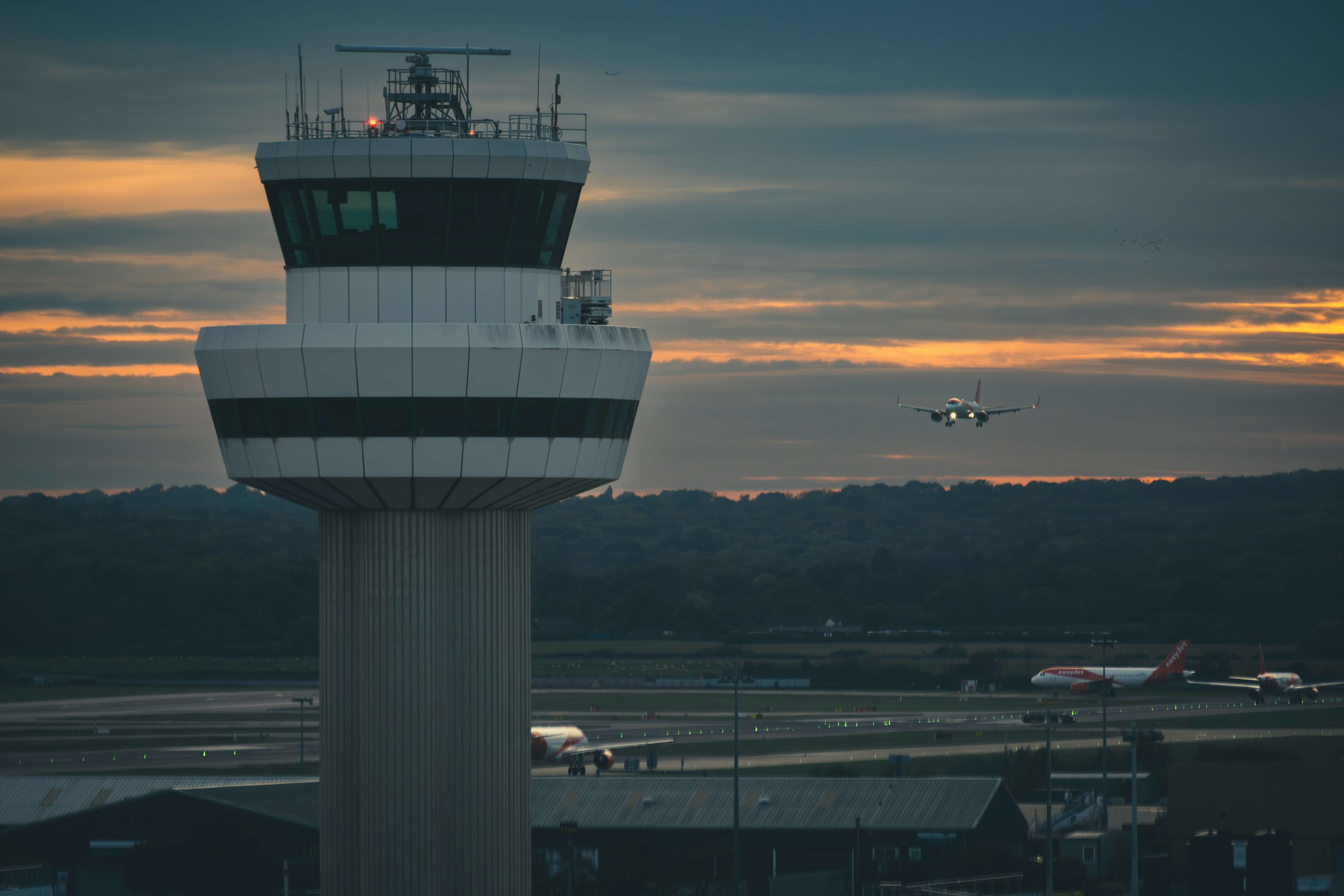
The U.S. Department of Transportation (DOT), backed by a $5 billion investment from Congress, is all set to overhaul the country’s air traffic control (ATC) system. U.S Transportation Secretary Sean Duffy calls this move “the largest overhaul in aviation since the jet age.”
This move to upgrade legacy systems to meet the demands of the 21st century was brought about by last January’s incident. This devastating incident is still fresh in our collective conscience, as an American Airlines passenger jet and a U.S. Army Black Hawk helicopter collided mid-air, killing all 67 people onboard. Since then, the number of “close call” incidents has been increasing.
On April 21st, Secretary Duffy addressed the concerns of the general public head-on at the Department of Transportation summit and said that the ATC technology has become obsolete. For decades, the ATC relied on physical “flight strips” to track aircraft and the flow of air traffic.
Certain air traffic communication systems still rely on an analogue system similar to dial-up internet. Now, this will be replaced by a state-of-the-art touchscreen digital interface, making communication between tower and flight control smooth and instantaneous.
The copper wires are also being phased out for optical fibres to enhance communication and connectivity.
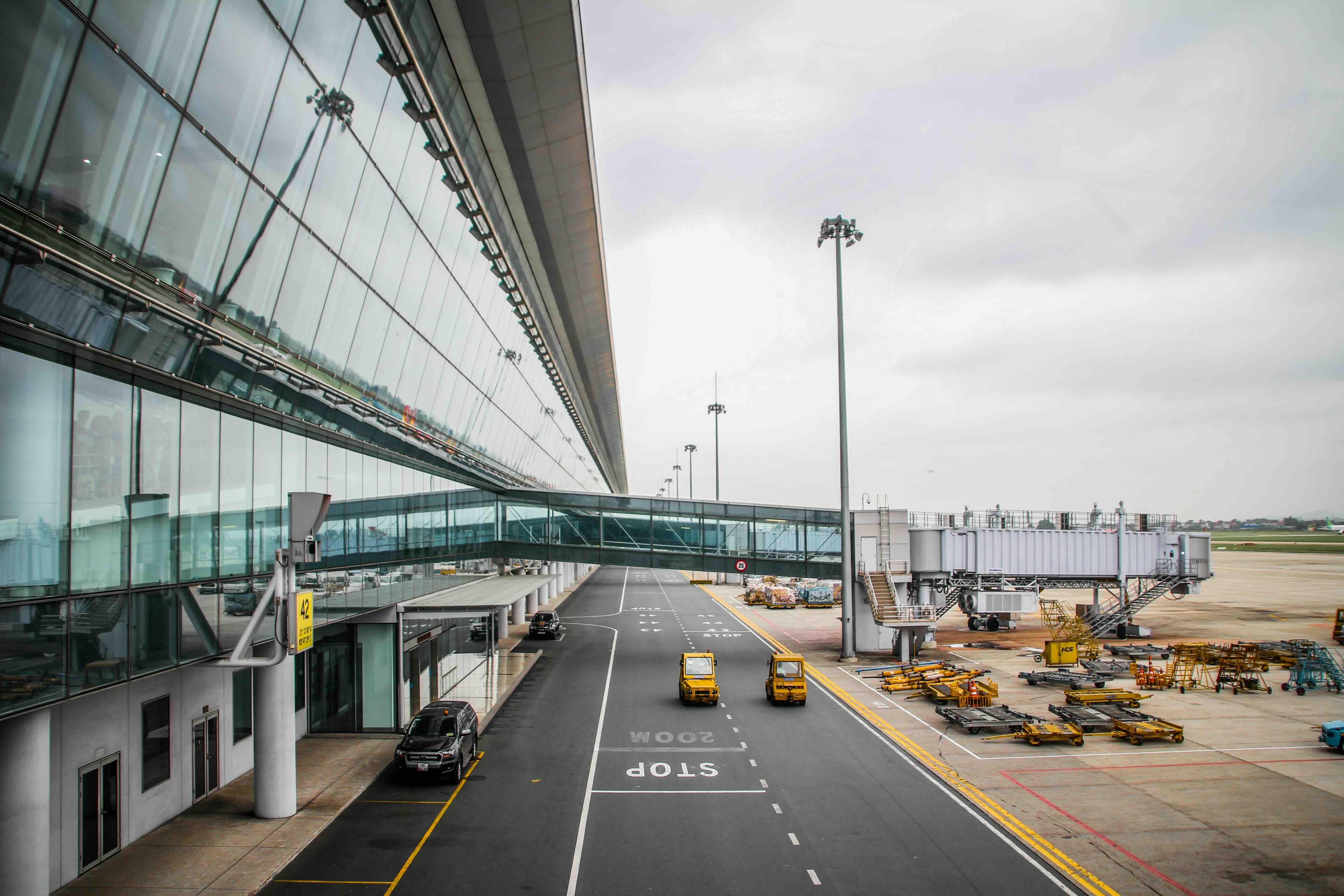
The FAA has already begun implementing these updates across all airports, starting with Reagan National and Dulles. Secretary Duff is optimistic that, despite the complexity of the work, the transition to digital-first systems can be completed within two years, without disrupting air travel.
There have also been several conversations around incorporating AI in the future of ATC operations. Transportation Secretary Duff explained that artificial intelligence won’t be replacing air traffic controllers. He said, “AI is a tool, but we do not replace how we manage the airspace.” AI would rather help ATC controllers to avoid delays and risks.
Last year, Congress, through the Big Beautiful Bill, sanctioned $12.5 billion for the ATC upgrades, and the DOT has been making significant upgrades across the nation’s airports. However, if AI is to be introduced to ATC towers, Congress will have to pay for the software, with a potential price tag of approximately $6-10 billion.
Integrating AI, advanced software and data processing systems will help the DOT and FAA make air travel safer, faster, and more efficient for millions of passengers.
Category : Federal Government Tech Airports