














Have a story idea
Have a story idea? Send it to us here.
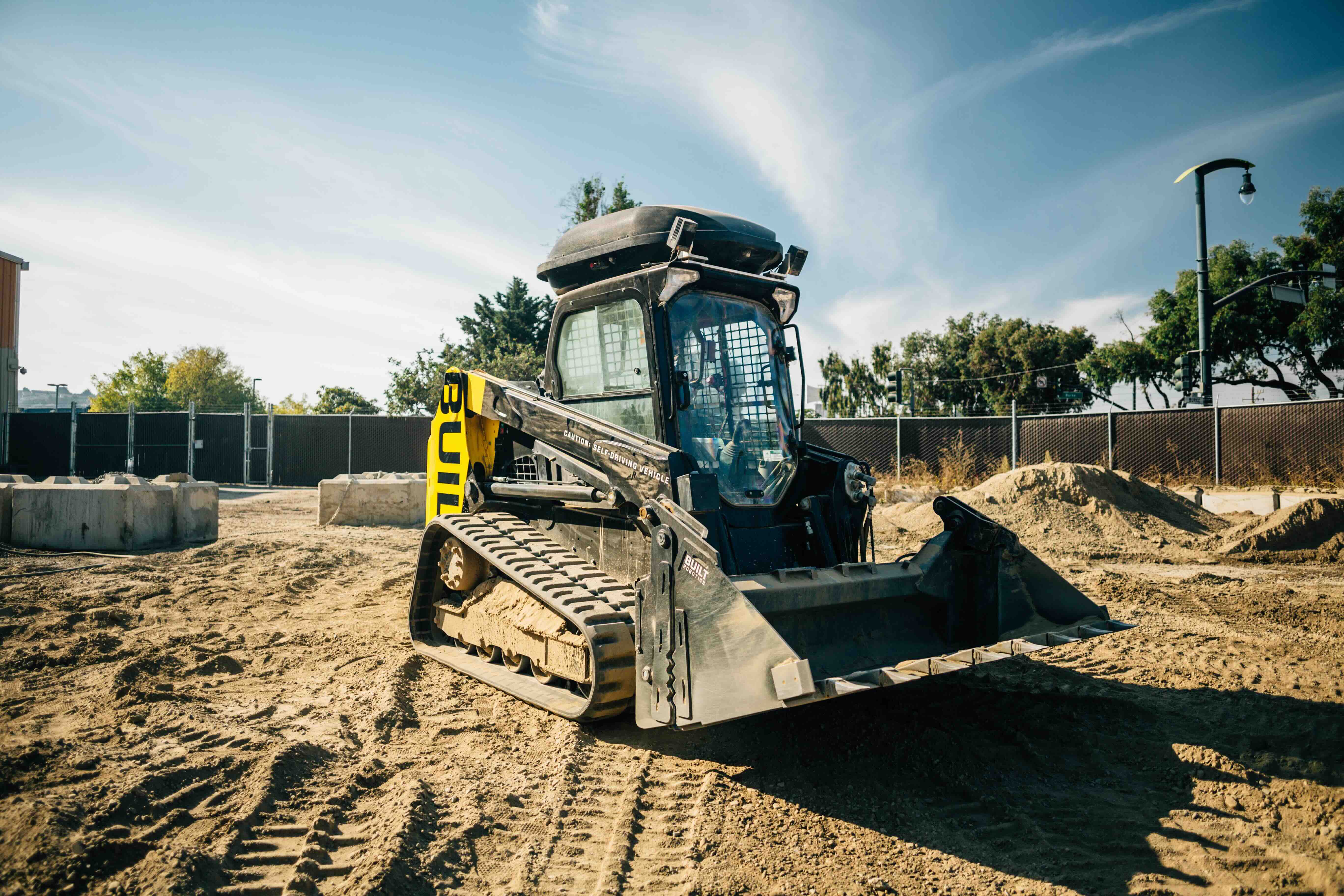
Source : Wikimedia
December 29, 2025
Author : Patty Allen
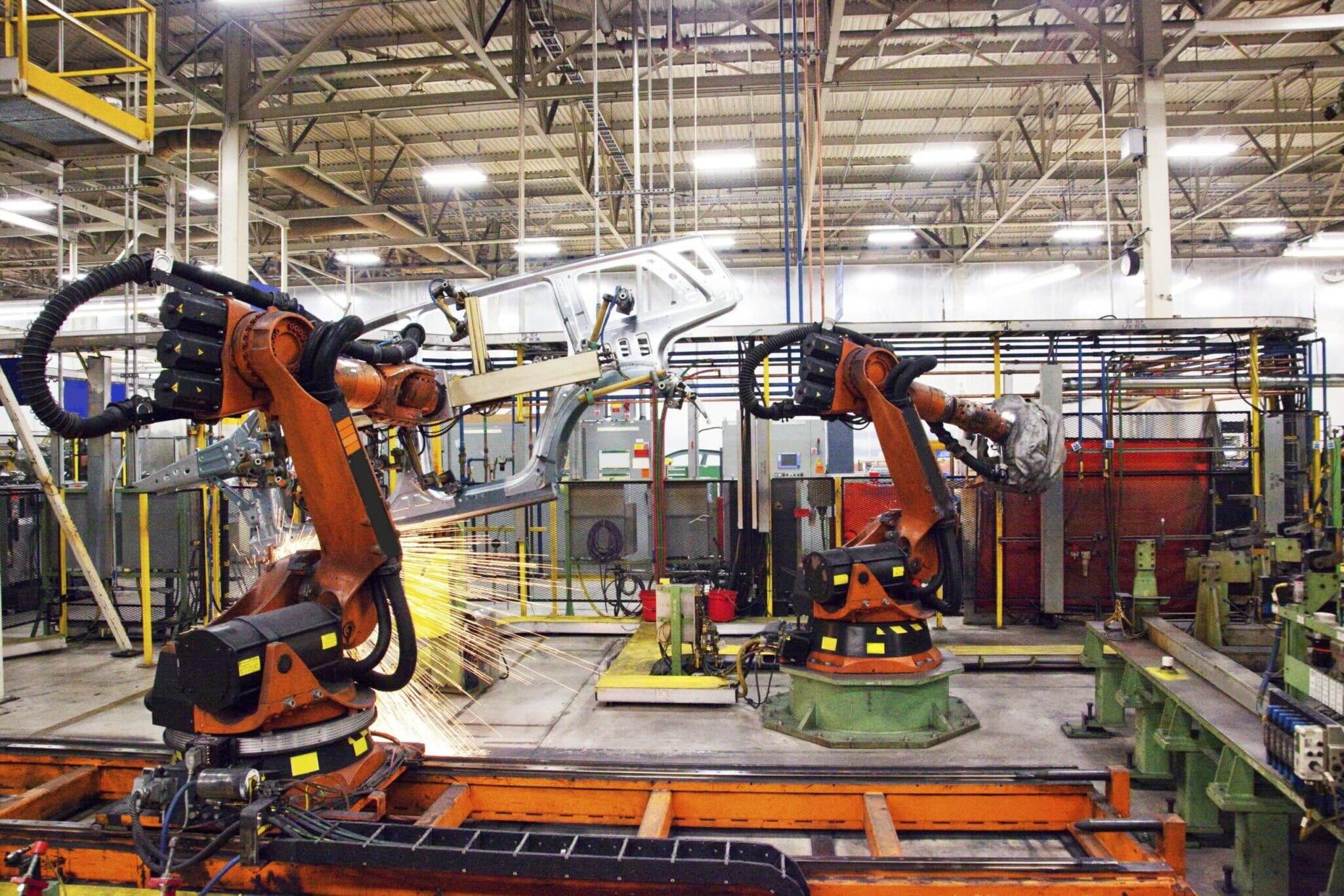
As construction companies attempt to find solutions to their workforce shortages, enhance the overall safety of their jobsites, and improve project completion times, robotic technologies are on the horizon.
Analysts believe that the robotics segment within global construction will grow over the next ten years at a compound annual growth rate of almost 25%, especially in the areas of demolition, material handling, finishing, surverying, brichlaying, and layout systems.
Recent business analyses of construction robots show many instances of how such automated platforms are coming into play for high-risk and high-labor tasks such as concrete cutting, demolition in tight spaces, and repetitive masonry work.
These systems combine sensing, AI-guided navigation, and tool-changing capabilities to perform precise measurements and then execute drilling, cutting, or bricklaying with millimeter-scale accuracy, as demonstrated in new generations of construction and demolition robots. In that way, by doing the dirtiest and most dangerous jobs, they can reduce injuries and help contractors reassign skilled workers to supervision, QA/QC, and complex detailing.
Coverage in robotics industry publications suggests that demolition and construction robots are now being utilized to address a range of operations, from selective demolition of interior spaces to structural demolition on larger-scale projects.
Some of the robots are intended to operate on challenging terrain, while others are specifically developed to operate in indoor renovation processes and to analyze the environment by scanning the area and adding the information to a BIM. As robotics platforms continue to become autonomous, they continue to incorporate features such as surveying and laying.
Investment interest is also on the rise. There is a startup in the United States known as Gravis Robots that has recently raised $23 million to increase the number of semi-autonomous construction robots on the market. This is a clear move to offer a partial solution to the problem of a lack of construction workers, since the robots will be able to work for longer periods compared to human beings when working on repetitive jobs.
Automation in robotic workflow applications extends beyond demolition and bricklaying. There have been earlier stories about the use of robotic solutions in the field of bridge inspection, with robots gaining access to areas of the structure that are difficult or impossible for people to reach in order to deliver high-definition data with minimal lane closure. Other applications are the use of automated systems in the ever-developing rebar market, where robotic systems can assist in the placement of rebar, in addition to robots in the task of drywall finishing and sanding.
Taken together, demolition-survey-bricklaying robotics, and other construction automation tools point to a more hybrid jobsite model in the future, where human crews oversee planning, coordination, and complex craftsmanship, while robots assume hazardous, repetitive, or highly precise tasks.
Category : Mobile Technology Tech