








Have a story idea
Have a story idea? Send it to us here.

Source : Unsplash
May 6, 2026
Author : Patty Allen
U.S. national security infrastructure is facing a crisis, and it has nothing to do with funding shortages but systematic execution failures across the defense industrial base, procurement and infrastructure delivery systems, and long-term sustainment of projects.
Recent reports from the Government Accountability Office (GAO) have revealed inefficiencies in security infrastructure that have affected shipbuilding, industrial oversight, contractor coordination, and rising costs.
At a time when the U.S. faces growing pressure to enhance its defense capabilities amid the Trump administration's assault on Iran and geopolitical tensions, the congressional watchdog, GAO, in its three reports published in April 2026, highlights problem areas.
Analysts have increasingly warned that decades of deindustrialization and reliance on fragmented global supply chains have weakened the United States' ability to rapidly expand domestic defense production.
The latest crisis in the Middle East also underscores the need for greater emphasis on diplomacy, economic development, and strategic stability rather than perpetual military escalation.
Industrial Base Security Gaps
One of the significant issues plaguing the US national security infrastructure is the oversight of the industrial base and contractor management, which has left critical defense information vulnerable. In FY25, the Defense Counterintelligence and Security Agency (DCSA) spent over $160 million to conduct 4,600 security reviews and also documented over 800 security violations and 1,000 open security vulnerabilities with cleared contractor facilities.
It is the duty of the DCSA to ensure that contractors adequately protect classified contents and aren’t prey to threats, espionage, and cyberattacks.
As foreign entities continue to attempt to obtain classified information illegally, it has become increasingly important to plug these security gaps and remove data vulnerabilities. These industrial base security gaps aren’t recent but were highlighted by GAO in a 2022 study.
Massive Cost Growth in Sustaining Defense Systems
The fiscal burden of sustaining the existing defense systems, including aircraft, submarines, combat vehicles, and defense systems, is eating into the budget for newer innovations and technological upgrades. The GAO report explores that the Department of Defense’s (DoD) operating & supporting (O&S) costs, which include parts repair costs, maintenance activities, contract services, and personnel, are at least 50% higher than the original baseline estimate.
Although the DOD has taken steps to address critical O&S costs identified in FY 21 and 22, the GAO reports on inefficiencies in implementation that can help reduce the costs and ensure long-term sustainability. For instance, the Army is yet to complete a software update to resolve maintenance issues affecting the Common Remotely Operated Weapons Station. This could help save $130 million over the next three decades.
The GAO reports also highlight the challenges that the DOD continues to face, such as conducting regular sustainment reviews and accurately determining the O&S costs.
Chronic Failure in Shipbuilidng and Infrastructure Delivery
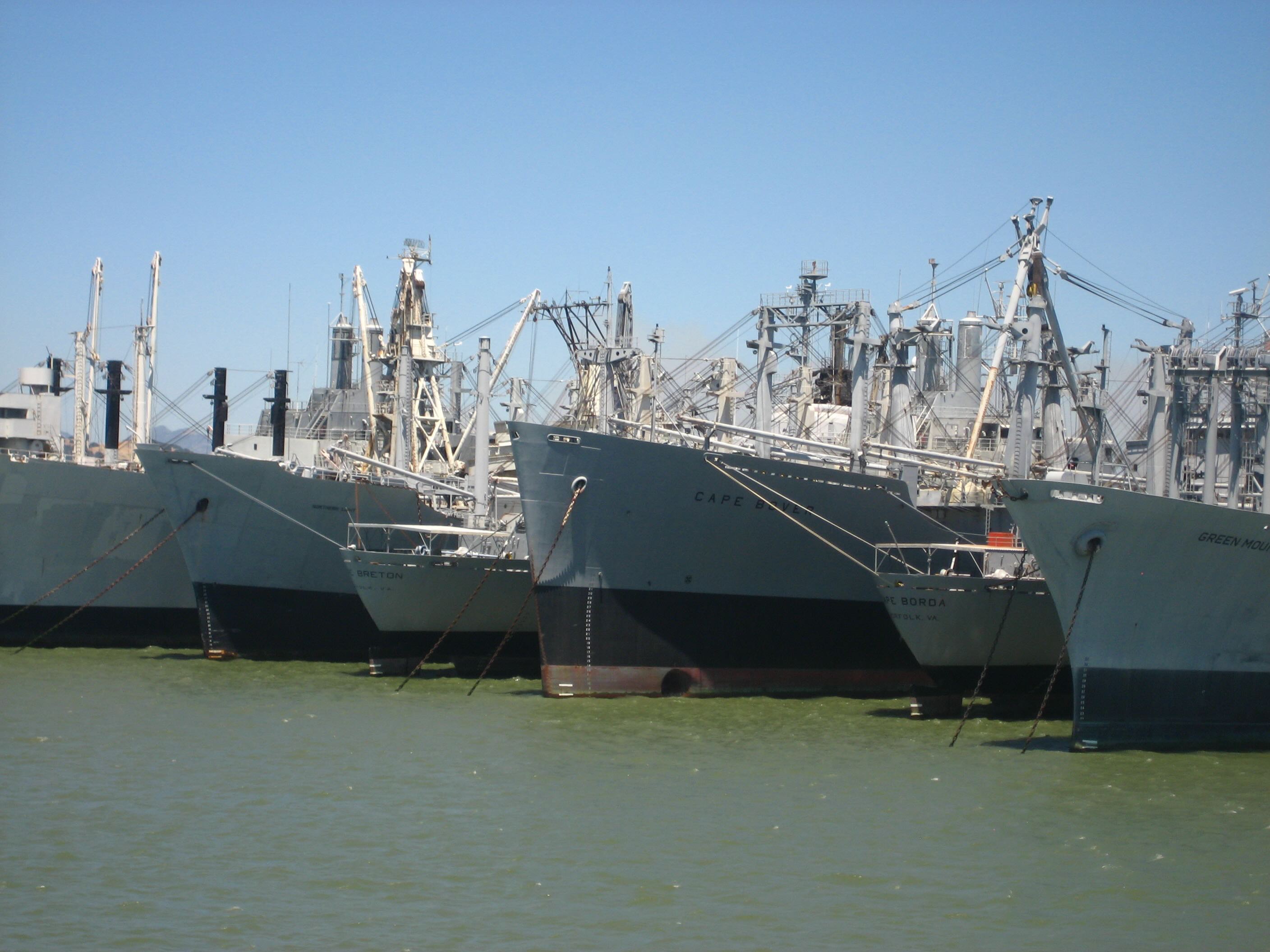
In the last two decades, Navy and Coast Guard shipbuilding exercises have consistently underperformed, with each endeavour billions of dollars over budget and delayed. In the current security climate, the U.S. needs to ramp up its shipbuilding capabilities to address pressing national security issues.
The GAO has made 92 recommendations to the Navy and 45 to the Coast Guard in the last decade; however, many are yet to be implemented. The shipbuilding and repair contractors continue to be plagued by aging infrastructure, a lack of physical space, and labour shortage. Despite the DOD and OSD (Office of the Secretary of Defense) spending billions to support the shipbuilding industrial base, it has yet to show a significant return on investment. One significant inefficiency is the lack of coordination between the Navy and the OSD, resulting in duplicate or overlapping spending.
GAO commented that the Navy continues to base its current and future fleet targets on an assumption that has historically proven to be wrong.
Supply Chain and Production Bottlenecks
The inability to rapidly scale domestic production and improve the supply chain remains a hurdle, causing, for example, a shortage of artillery shells and anti-aircraft missiles with orders coming in from East Asia, Europe, and now the Middle East.
Despite significant investment, the U.S Army failed to reach a production target of 100,000 shells per month by the end of 2025. This has been mainly due to the weak supply chain, including a single-source dependency for key raw materials and machinery.
Across the national security sector, these findings highlight growing concerns that the country’s defense challenges stem not only from operational failures and inefficiencies, but also from decades of overextension and sustained emphasis on militarization. While defense spending remains at historic highs, the GAO reports suggest that the government and its key agencies continue to struggle to translate funding into effective, deployable capability.
As Contractor News has previously argued in our coverage of U.S.-China competition and global infrastructure development, long-term national strength is built through economic competitiveness, industrial capacity, and modern infrastructure investment in an increasingly interconnected world.
Category : Efficiency-Improving Technology Federal Government