






Have a story idea
Have a story idea? Send it to us here.
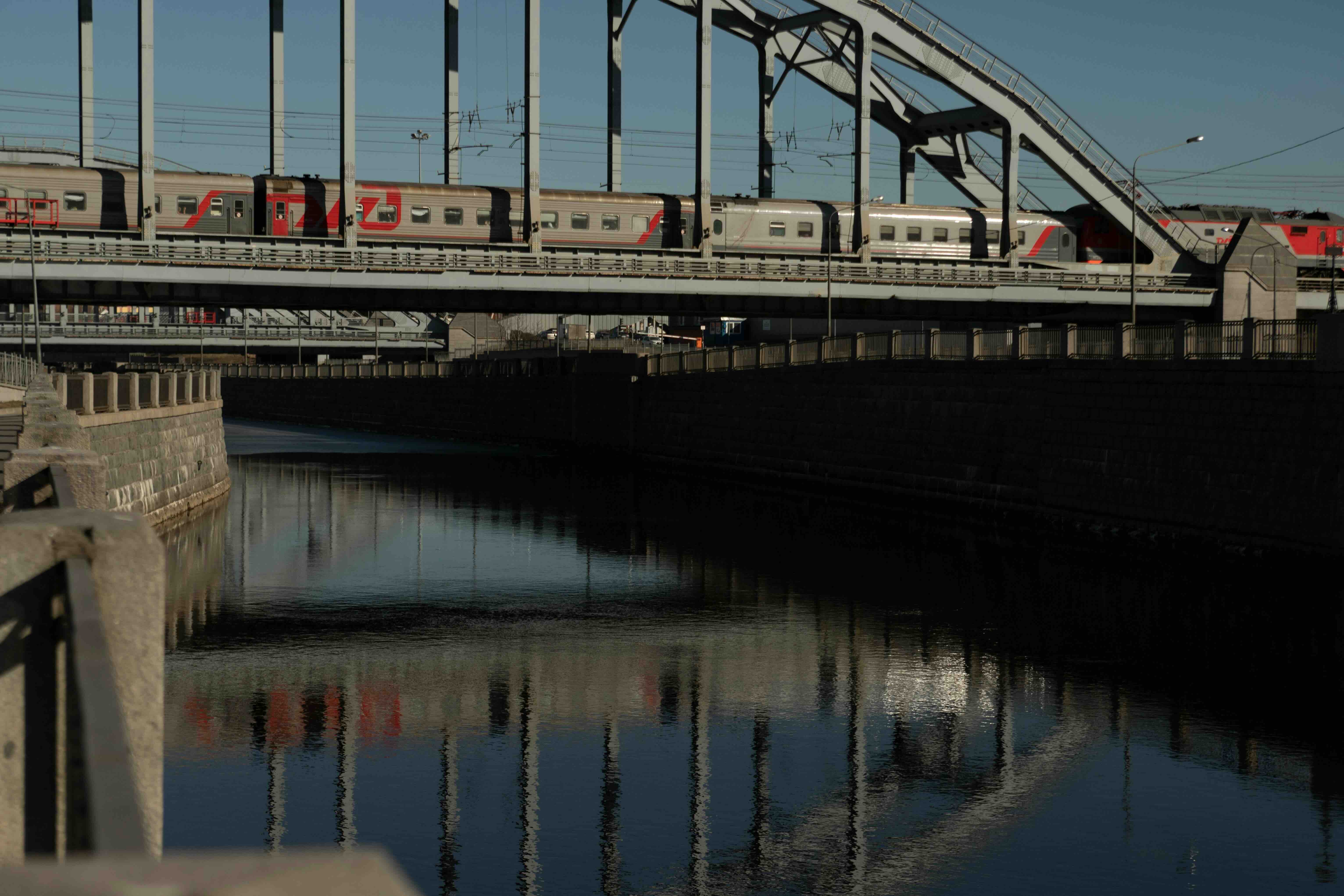
Source : Unsplash
May 22, 2026
Author : Patty Allen
The history of the U.S. is intimately associated with the country’s rail network. The freight rail network has helped power the country’s economy for over two hundred years.
From the early days of steam engine-powered wooden carriages to today's freight trains that use advanced technology such as IoT sensors and AI-enabled inspections, railways remain a backbone of American infrastructure.
Recently, the American rail sector has entered one of the most aggressive expansion cycles in decades. Federal agencies are pouring billions of dollars into modernizing aging infrastructure and introducing new and faster passenger rail projects.
However, despite projects advancing at full speed, there have been several problems, including disputes over budgets, mergers, land rights, and infrastructural issues.
In April 2026, Transportation Secretary Sean P. Duffy announced an investment of $2.04 billion to upgrade the country’s railway infrastructure. With the current investment, the DOT will support projects that will help reduce congestion, improve the regional rail network, increase the number of passengers travelling by rail, and develop safety programs to prevent trespassing and reduce fatalities.
This isn’t the first bout of investments. The Federal Railroad Administration’s (FRA) Consolidated Rail Infrastructure and Safety Improvements Program has invested nearly $6 billion since 2017.
Duffy explained, “At USDOT, we are laser focused on ushering in the Golden Age of American rail.”
At the same time, the country’s largest freight railroad companies, Union Pacific Corporation and Norfolk Southern Corporation, submitted a merger to the Surface Transportation Board for approval to create the country’s first and largest transcontinental railroad network. If approved, this will help drive growth, improve the supply chain, and save shippers almost $3.5 billion annually, as they now have to rely on the truck network.
This end-to-end merger connects the East and West Coast and removes 24-48-hour interchange handoffs. The transcontinental project will also help create 1,200 new jobs. President Trump has also shown public appreciation for the proposed merger.
However, a coalition of business groups, rival railroads, and organized labor unions opposed the $85 billion merger, citing reduced competition and increased costs for manufacturers, farmers, and consumers.
In the southeast, billionaire West Eden’s private railroad company, Brightline Florida, is struggling with liquidity issues and lacks the funds to meet the financial obligations over the next 12 months. The company is almost $5.5 billion in debt, but Brightline is still persevering to continue with the high-speed train connection between Las Vegas and Los Angeles.
Since its inception, Brightline faced several issues, despite seeing 20% year-over-year growth in March. Customers found the ticket prices to be high, while the trips were not fast enough, and a slew of train-related deaths and collisions.
The issues aren’t limited to private railroads; public sector ventures find themselves in a similar situation. The California High Speed Rail Authority (CHSRA) is struggling with budgetary constraints. The project is estimated at $231 billion, almost 7 times more than the initial estimate.
Individuals close to the project claim the actual price tag still stands at the $126 billion mark, as established in the winter business plan. The project, which started 18 years ago, faced a series of bottlenecks, including land acquisition and relocation delays. Currently, construction is ongoing, and it may open to the public sometime during the next decade.
While the American rail revival is on its way, it currently faces far too many issues to enjoy a smooth ride.
Category : Federal Government Railroads