





Have a story idea
Have a story idea? Send it to us here.
Source : Unsplash
June 4, 2026
Author : Patty Allen
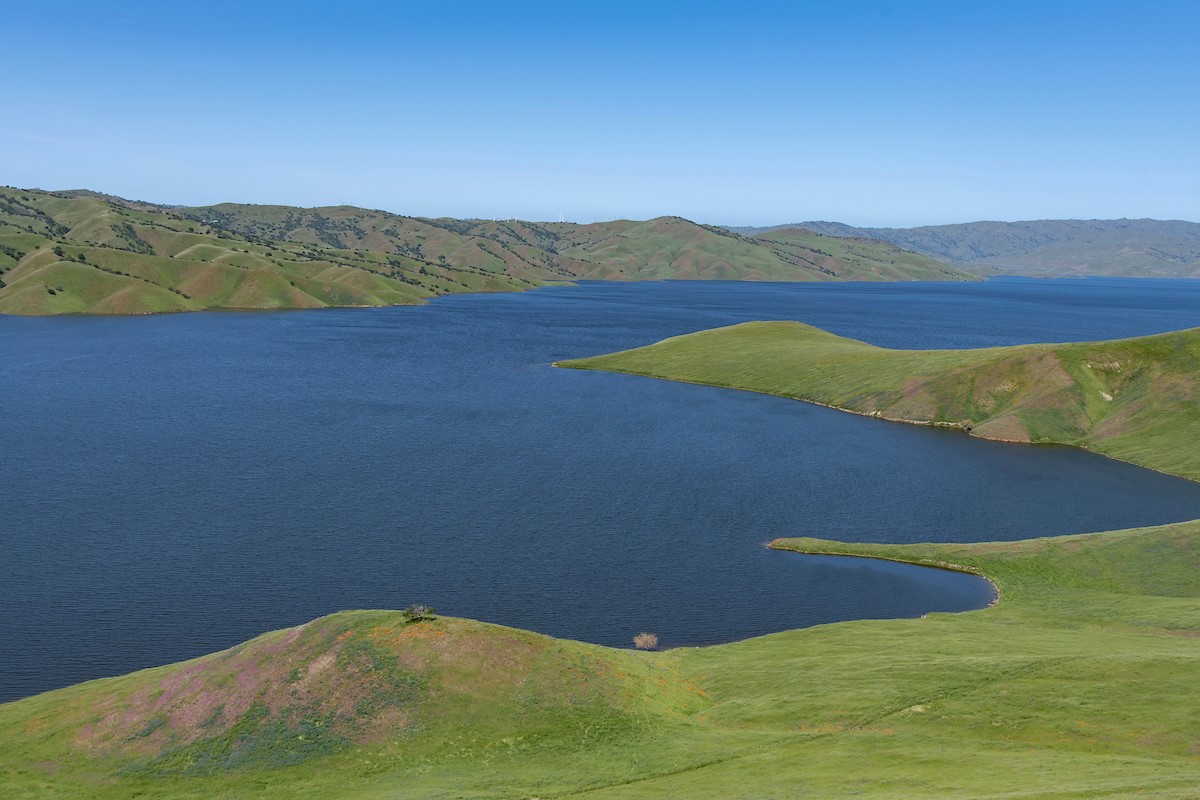
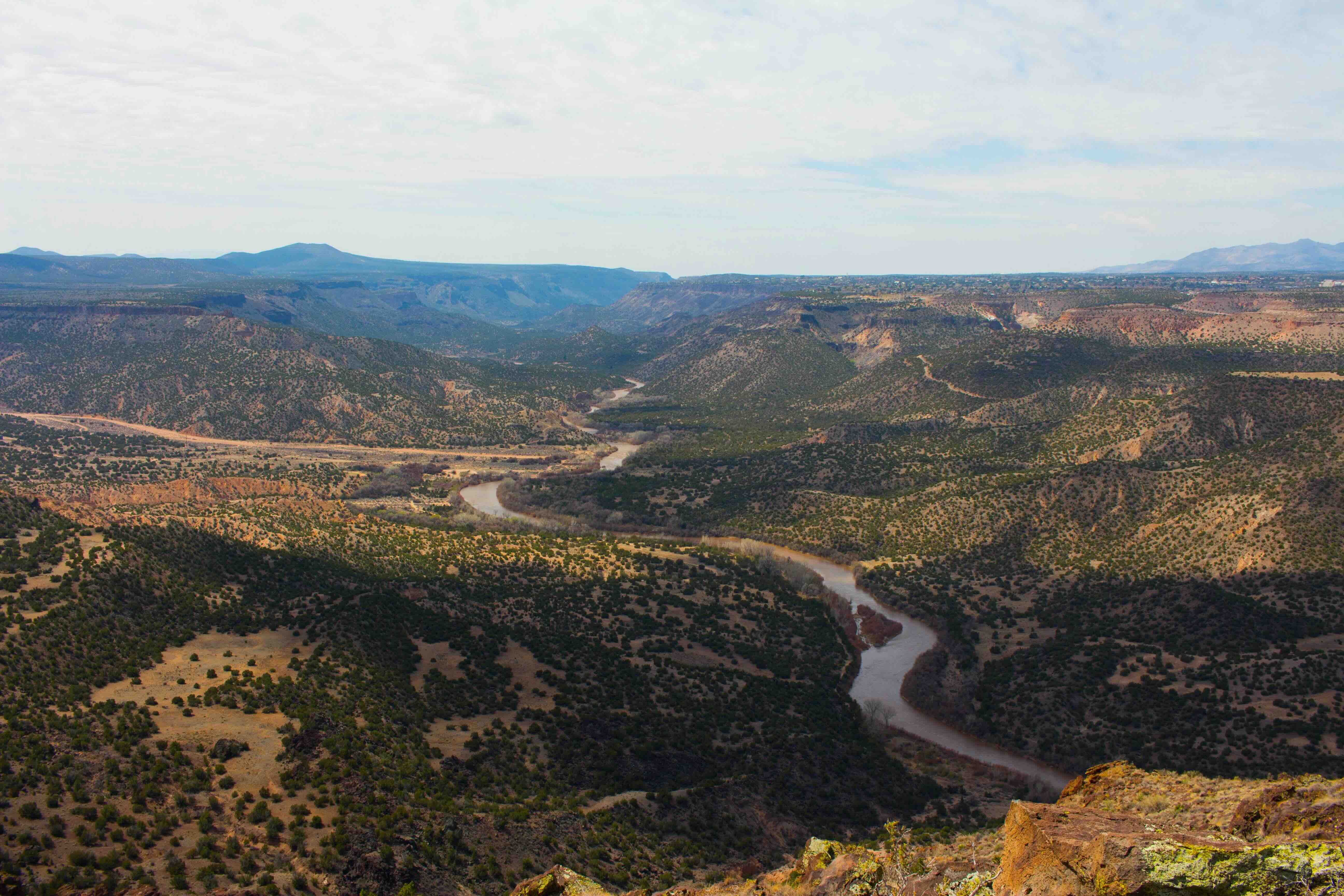
Big Bend National Park is a remote wilderness located in southwest Texas and borders Mexico. It has been garnering attention because of the recently awarded $1.7 billion federal contract for border wall construction.
Authorities floated the plan a few months ago, but have faced concerns from local residents. Environmentalist groups have protested that the 30-ft wall wasn’t just an eyesore, but that construction work would affect the natural habitats and fragile ecosystems of a wide array of wildlife.
The May 11 contract is the single highest amount awarded in the Lone Star State related to the border wall.
A U.S. Customs and Border Protection (CBP) spokesperson denied that the funds would be used to build a 30-foot-high barrier and explained that $1.7 billion would be used for constructing 17 miles of vehicle barriers and 205 miles of “system attributes”. This would include patrol roads and surveillance technology.
The statement issued by the CBP wrote, “Instead, it utilizes technology like cameras and sensors, along with limited, low-profile, post-on-rail barriers in strategic areas designed to restrict vehicle access while leveraging the natural barriers that already exist in the area.”
The project has been awarded to Southwest Valley Constructors, with a listed start date of May 11, 2026, and has a potential end date of December 7, 2028. The Albuquerque-based contractor is known for undertaking large-scale federal government projects. USASpending.org has noted that Southwest Valley has received 12 projects since 2019, totalling $2 billion.
A second contract was awarded on May 14, worth $4.5 million for “resource monitoring support.”
The CBP website features an interactive “Smart Wall” map that showcases how the agency plans to install roads and “virtual wall” technology. This “wall” would alert Border Patrol agents if illegal immigrants cross the border in the “Big Bend 4” area.
The big-ticket contract is identified for an area in the Big Bend known as the BBT-4.
Despite claims of no actual wall to be built, questions arise about how any construction would affect the protected land. Conservationist Laiken Jordahl said he will continue to fight to prevent a “massively destructive, universally despised trainwreck.” Jordahl, a National Public Lands Advocate at the Center for Biological Diversity, further explained, “They have made it a mission to obfuscate and make this as confusing a process as possible.”
He is referring to the “Smart Wall” map on the CBP website that was first taken down in late April and reuploaded with new changes in mid-May.
Jordahl explains that even paving roads along the border could harm wildlife and make border crossing easier in areas where the land was previously difficult to traverse.
On May 14, the federal administration waived environmental protections in the area and described Border Patrol’s 517-mile Big Bend sector as “an area of high illegal entry.” However, the facts differ. It is the least busy of the nine sectors, and accounts for only 1.3% of the total crossings in FY 25.
A Terlingua business owner summed up the situation by saying, “We’re 1.3% of the problem. What is this billions of dollars stuff when we are not an issue?”
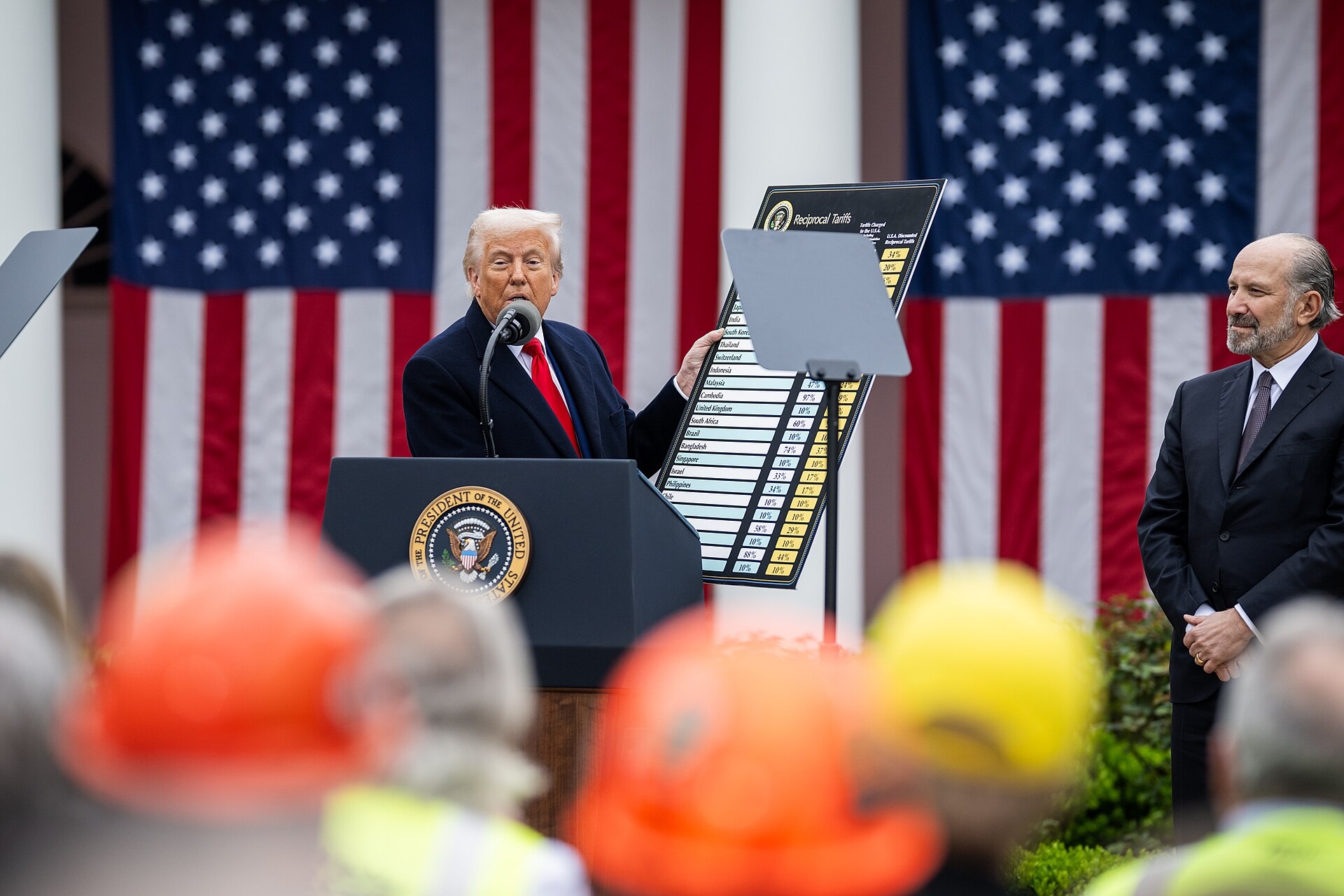
The Trump administration waived over two dozen environmental laws in February to make way for a 150-mile border barrier through West Texas, including Big Bend National Park.
Category : Federal Government