




Have a story idea
Have a story idea? Send it to us here.
Source : Wikimedia
December 11, 2025
Author : Alex Bustillos
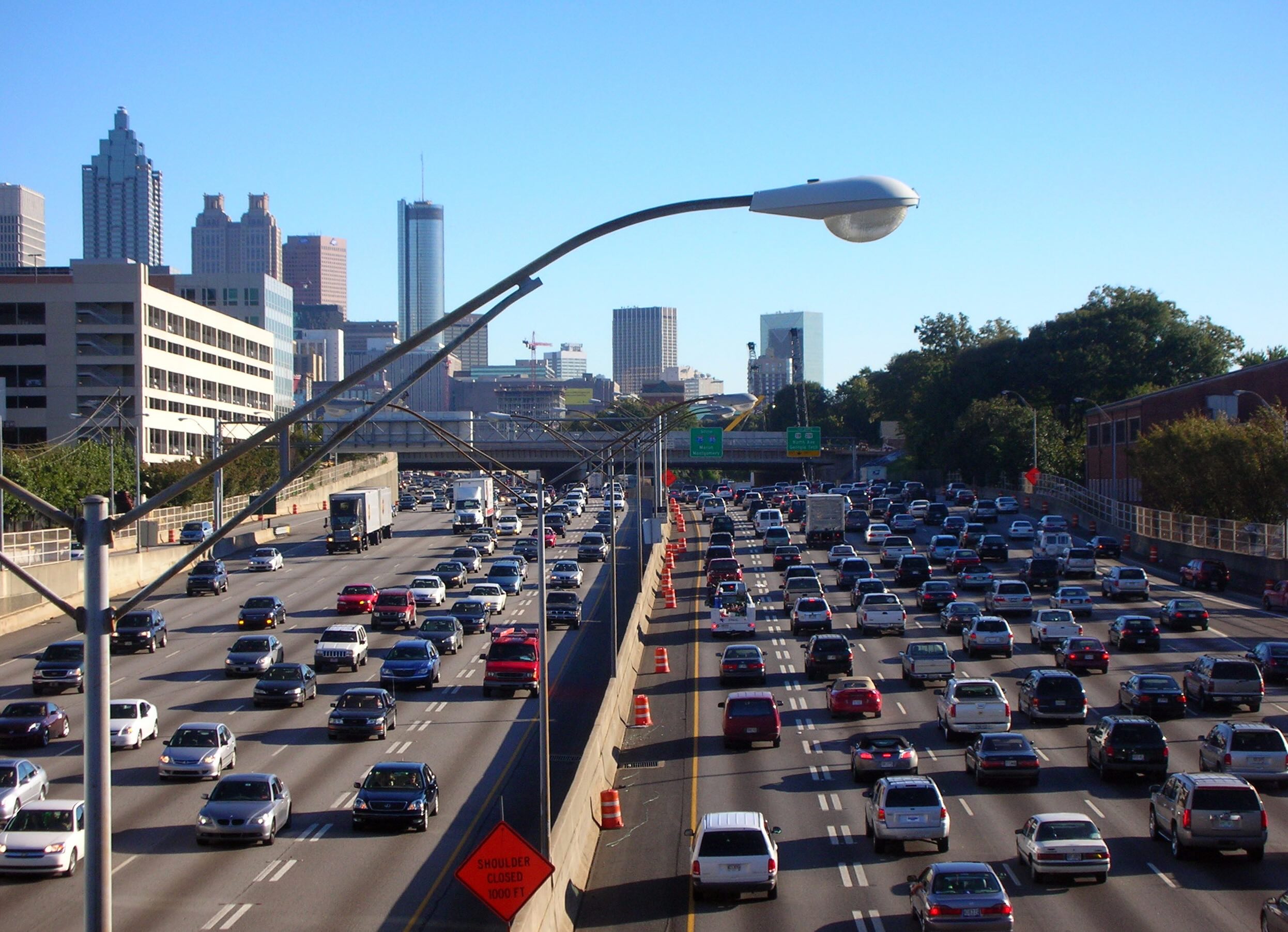
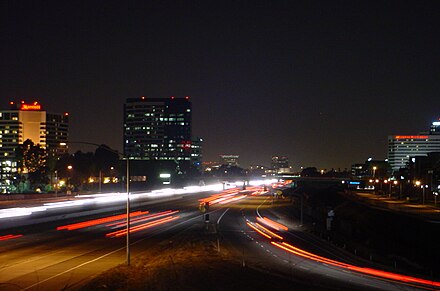
Expanding California's highway system by widening its roads has long been an accepted practice for reducing congestion and improving travel time, but many studies indicate that highway expansion has had little to no effect.
A recent report from Streetsblog California, based on data from SB 695, shows that between 2018 and 2023, Caltrans built 550 lane-miles of highways & demolished 623 houses and businesses, over 90% in Los Angeles County.
The data obtained from SB 695 is also used by the Greenlining Institute's Homes Before Highways Project to create a map documenting where the properties demolished due to highway expansion occurred and emphasizes the concentration of the negative effects of highway expansion in underserved areas of color located on major arterial routes, such as I-5 and I-710.
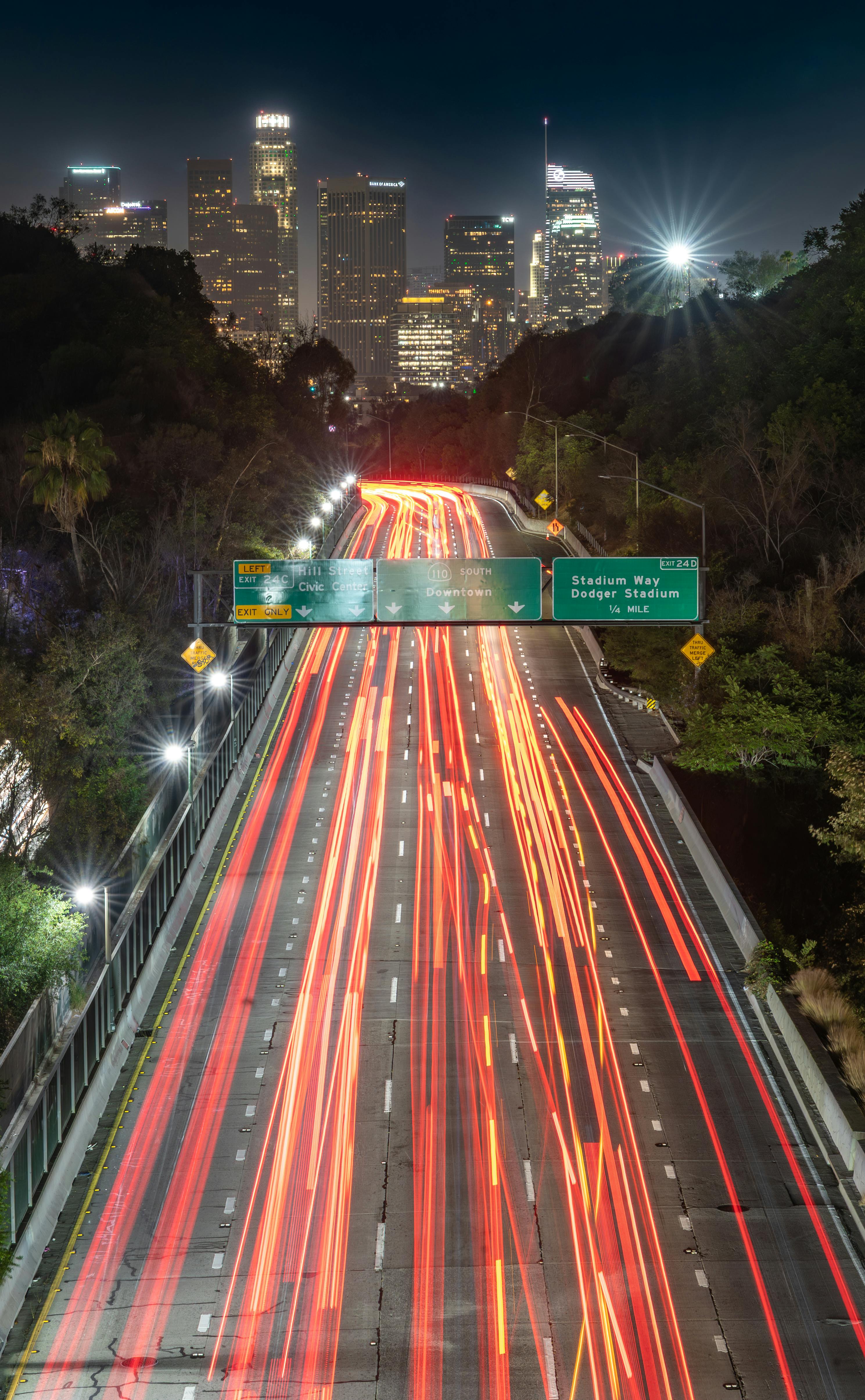
The widening of the I-405 Sepulveda Pass has been cited repeatedly as an example of how to waste money on public transportation and highway expansion. In addition to costing about $1 billion, it added a northbound carpool lane and took multiple years and thousands of hours of closure and construction time for the most congested portion of the higher-capacity freeway in Los Angeles at that time.
An analysis done by local media after completion showed the average travel time between all areas north of the 405 increased by an average of 6 minutes during the peak. This is due in large part to the additional vehicles that are attracted to the new lanes, reflecting the "induced demand."
According to health advocates, the adverse effects of this expansion are felt by the surrounding communities in many ways that cannot be captured by simply relying on the congestion metrics This expansion will have long-lasting effects on California due to the "hidden legacy" of the freeway construction, which has resulted in increased rates of asthma, cancer, and heart disease for those who live near the new roadways or freight routes.
This inequitable distribution of air quality burdens, combined with the loss of homes and the increasing cost of housing, is creating additional distance for families from their jobs, schools, and transit and further amplifying the pre-existing inequities that exist in California's urban areas.
Simultaneously, California has shifted to larger amounts of money toward multimodal projects that will develop rail, bus, active transportation, and complete street options in historically freeway-dominated corridors.
The state has pledged around $3 billion towards these projects, and Caltrans has initiated an additional $5 billion investment portfolio aimed at enhancing transportation options other than single-occupancy vehicles. This portfolio includes projects related to transit priority lanes, intercity rail improvements, and the redesign of local roads for safety.
Category : Freeways and Highways