




Have a story idea
Have a story idea? Send it to us here.
Source : Wikimedia
December 1, 2025
Author : Patty Allen
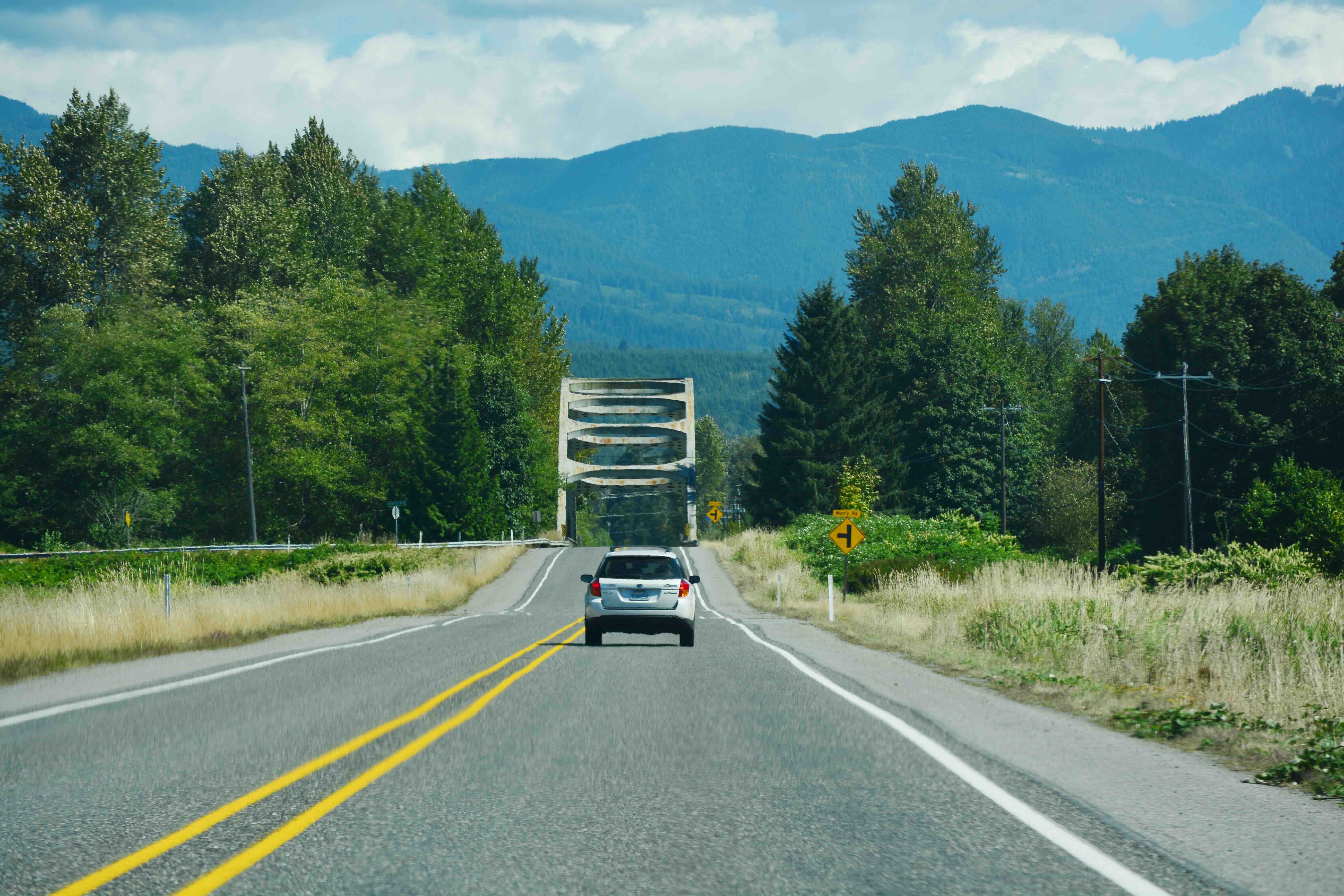
According to transportation officials in Washington State, many highways in the state are in the early stages of critical failure and will require an additional $1 billion to remain safe and functional over the next decade.
Currently, the Washington State Department of Transportation (WSDOT) has estimated it will require roughly $8 billion of new money over the next 10 years, in addition to what has already been allocated, to stop the deteriorating condition of existing highways and bridges and to meet the highest priority preservation needs.
Troy Suing (WSDOT Director of Capital Program Development & Management) explained in a recent presentation given to the Washington State Transportation Commission that years of insufficient funds forced WSDOT into its current reactive position. WSDOT has been addressing emergencies rather than taking a proactive approach of resurfacing roadways and restoring bridges.
Approximately 40% (7,900 miles) of the state’s 18,000 lane miles should currently be repaved, but only 670 miles were repaved in 2024, resulting in an increasing backlog of aging infrastructure and marked deterioration. WSDOT currently manages over 3,400 bridges owned by the State, with over 50% having received a fair or poor rating, and many of its major structures approaching or exceeding their 75-year design life.
According to officials, preservation funding currently supports approximately 40% of the amount necessary for maintaining the suitability of the entire system and has been subject to a reduction in real values due to inflation since around 2000. Emergency situations caused by poorly functioning culverts, weight-restricted bridges, and unanticipated lane stoppages are costing substantial amounts every two years ($10-20 million) and causing loss of funding that could have been used for planned resurfacing/rehabilitating projects.
WSDOT indicates that without an increase in the amount of money available for pavement, bridges, ferries, safety, and stormwater management, drivers will experience increasing amounts of long-term bridge closures followed by increased failures of their vehicles.
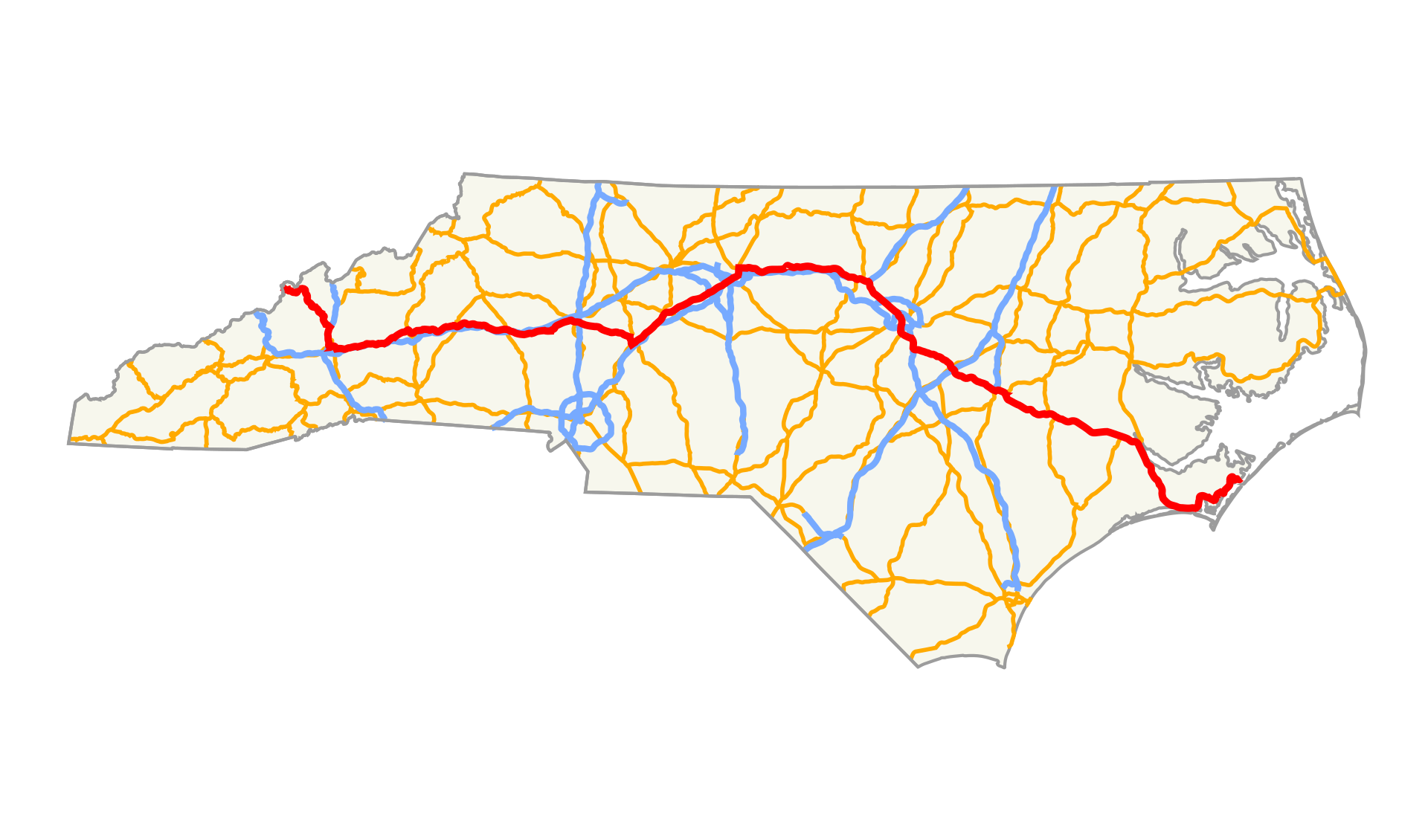
This occurs as other states are also receiving significant amounts of both federal and state money for disaster relief and recovery, like North Carolina's road repairs for post-Hurricane Helene costing $1.15 billion, or with Texas clocking in at a massive $146 billion over 10 years for its highway expansion plan. Washington State has its own hurdles to maintain its transportation system.
Washington officials feel that while large-scale new construction projects may get the most media coverage, it is imperative to have a continuing commitment to repairing and maintaining the existing transportation system so that the major corridors do not fall into a state of crisis.
Category : Department of Transportation Freeways and Highways