





Have a story idea
Have a story idea? Send it to us here.
Source : Wikimedia
December 1, 2025
Author : Alex Bustillos
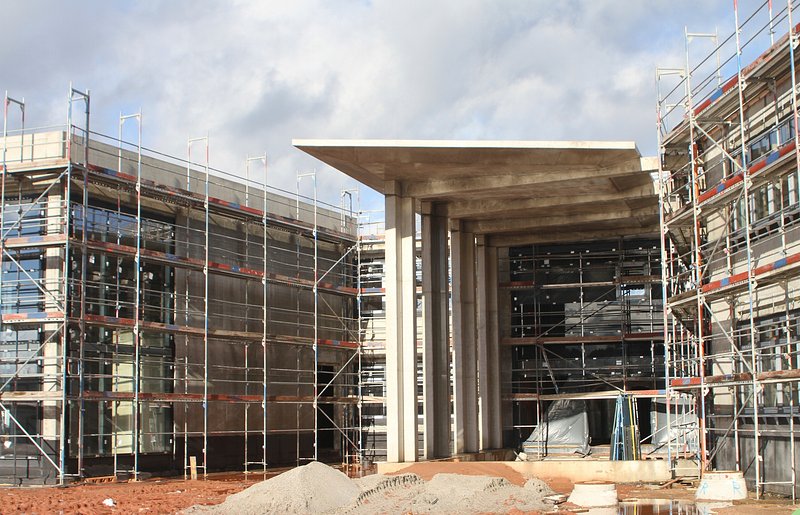
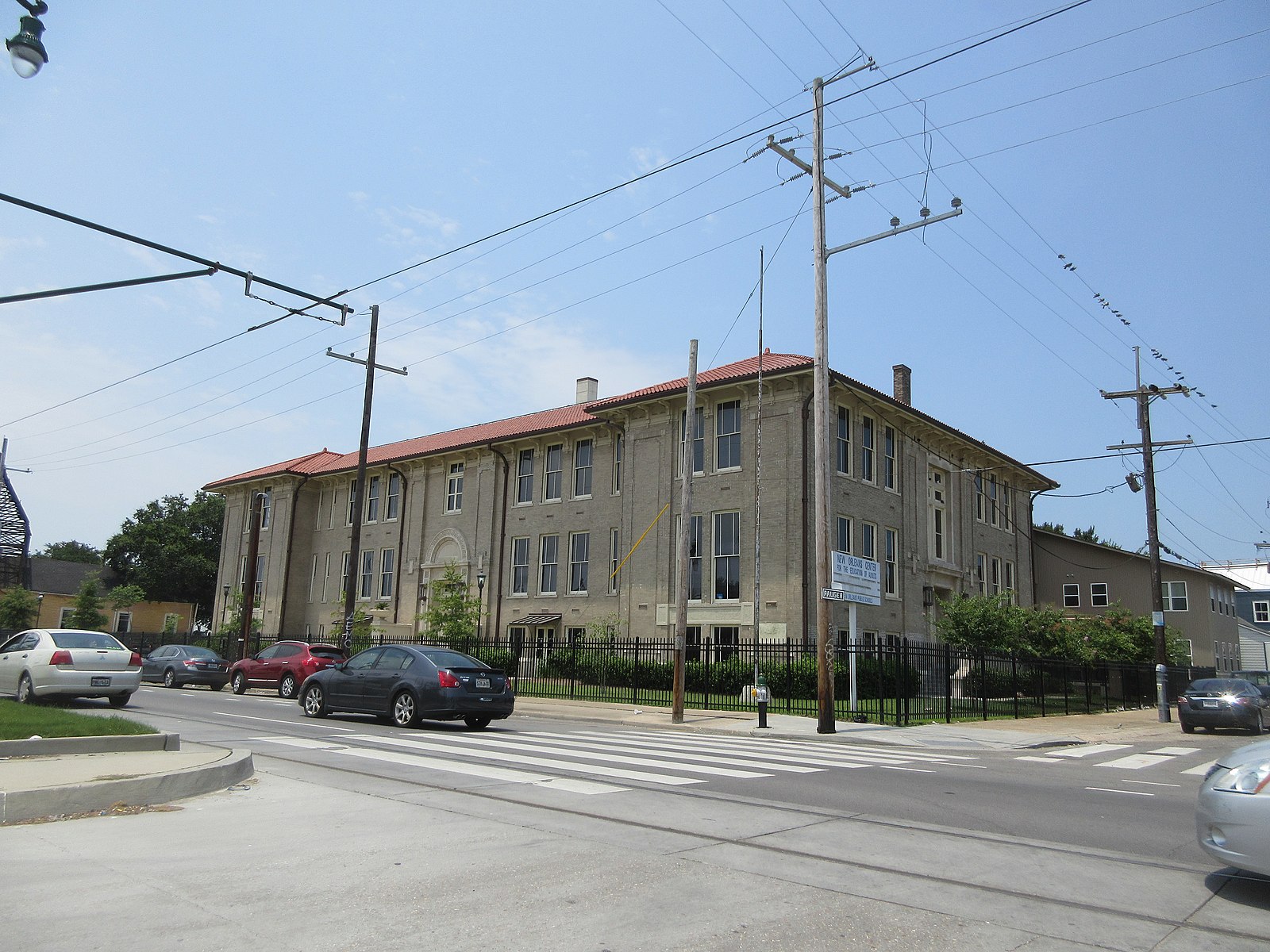
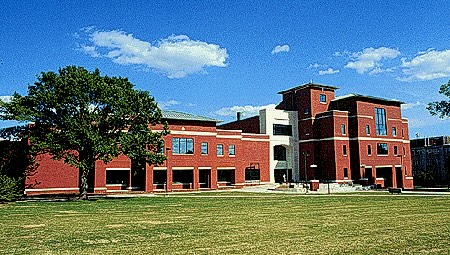
As inflation increases, continued unknown enrollment levels, and aging buildings reshape capital plans across the country, school and college/university owners in the U.S. are choosing to renovate existing structures instead of building new ones.
According to sector data, fiscal investment in existing campus facilities within higher education has increased by 26% from 2023 to 2022, and nearly one-third since 2021.
Many institutions of higher education are foregoing the construction of high-profile new buildings and instead investing in targeted capital improvements to increase the life and utility of existing academic spaces (classrooms, laboratories) and student accommodations.
The renovation of modestly sized lecture halls and student residences has been shown to greatly benefit the day-to-day campus experience at almost no cost compared to constructing a new building, particularly when large-scale capital projects have been deferred or negatively impacted by budget cuts.
Architects and facility management officials are being given directions on how to "work smarter" by focusing on adaptive reuse, the modernization of historically significant buildings, and high-impact restructuring projects for their facilities.
Many K-12 school systems are making similar plan. As an example, Bardstown City School's located in Kentucky, is refurbishing their Fifth Street campus through several phased projects instead of demolishing it and building a new one.
By the end of 2030, the upgraded school will consist of renovations to the classrooms, the gymnasium, and STEM labs, along with other areas.
While some school districts elect to build additional new schools and career-technology centers, even those projects usually include renovation plans for bringing up-to-date older portions of their buildings and eliminating maintenance backlogs.
In another example, the State of Washington has outlined a plan that will allow all of its institutions of higher education to continue offering programs while upgrading classrooms and laboratory facilities for STEM degree students using phased relocations of program activity to accommodate ongoing construction activities. As part of this upgrade, the State will be removing the least functional or useful buildings and making centralized upgrades to community colleges' and technical colleges' facilities, both in terms of laboratory and support services.
As more schools undergo renovation, they're also still getting built.
For example, California continues to build K–12 public schools and add on to existing schools through the state's $10 billion school bond program, as many districts are spending money to modernize existing buildings while at the same time increasing their student capacity through new construction and refurbishment of older facilities.
According to facility professionals, this nationwide movement towards asset management is driving a more cautious approach to capital expenditures. Institutions are emphasizing repairs, modernization, and repurposing rather than pursuing new builds, except for the most strategic, long-term development projects.
Category : Schools