



Have a story idea
Have a story idea? Send it to us here.
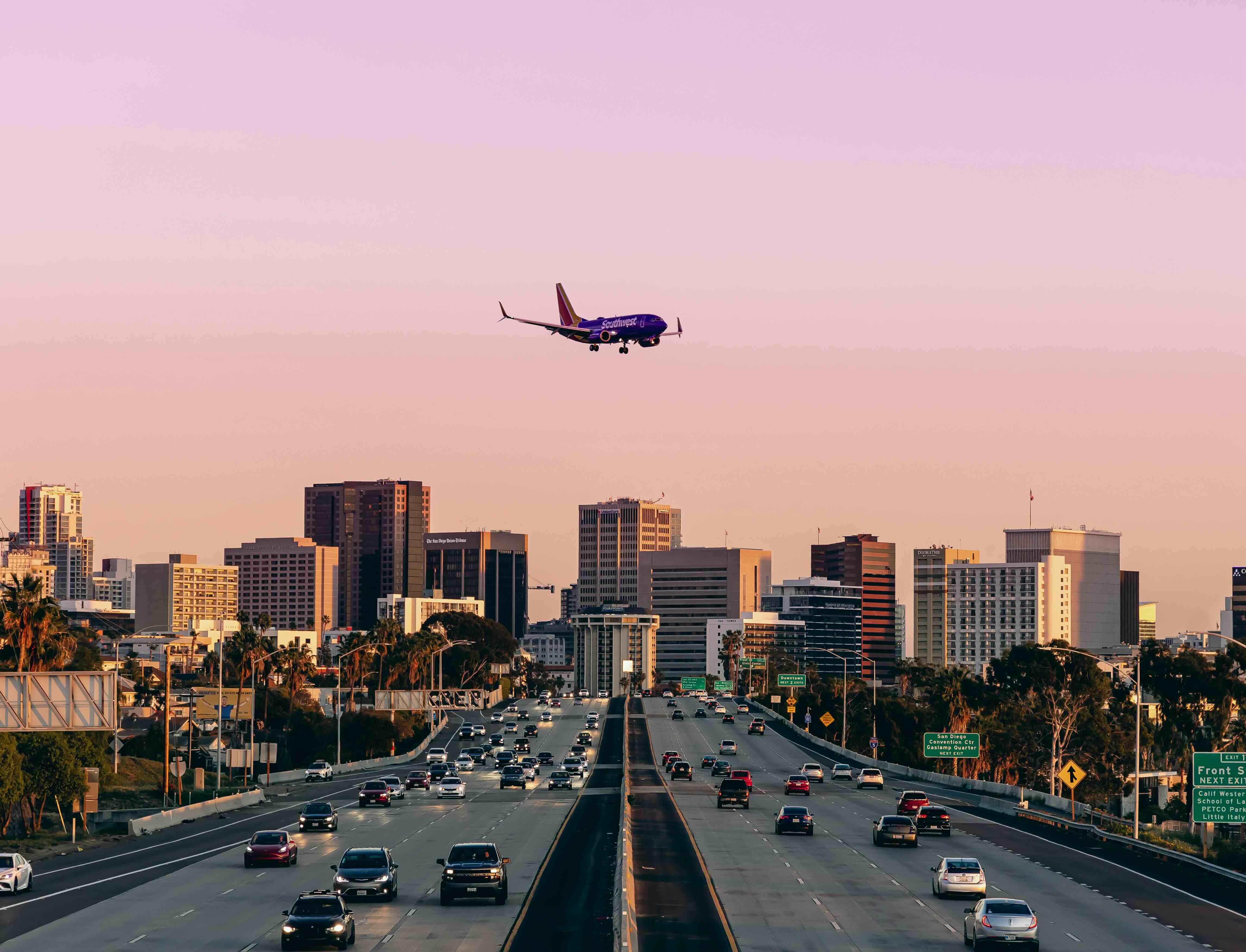
Source : Unsplash
May 14, 2026
Author : Patty Allen
The U.S. aviation industry is facing increasing pressure to modernize its infrastructure to meet the growing demands of travellers while meeting current sustainability and carbon-neutral goals. The average airport terminal in the country is 40 years old, and over the last 2 decades, air travel has increased by 50%, making the ageing infrastructure struggle to keep pace.
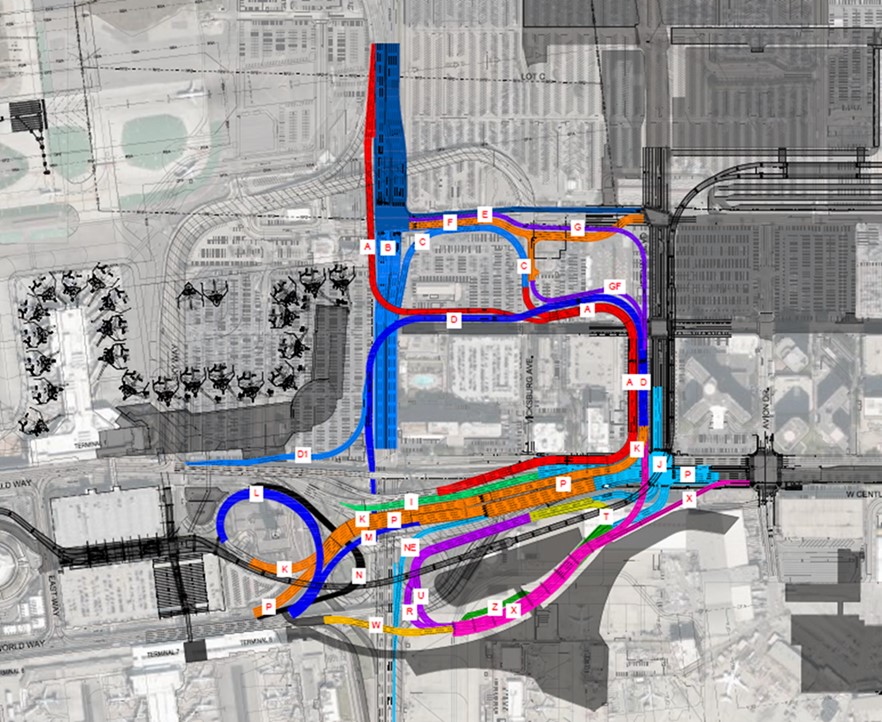
San Diego International Airport (SAN) is undergoing a $3.8 billion renovation program, which will replace the 70-year-old Terminal 1. The New Terminal 1 features a 5,200-space parking plaza, some 4 miles of baggage handling system, and a 5-mile on-airport road system.
In late 2025, the joint venture of Turner and FlatironDragados completed 19 gates and 940,000 sq. ft. of the new terminal. The remaining 11 gates and 260,000 sq. ft. of the new terminal are scheduled for completion by 2028.
Josh Gilbreath, FlatironDragados landslide project manager, explained that construction projects are challenging and “took a lot of effort, coordination with stakeholders”, and required flexibility between different teams.
The older terminal, along with 15 others, is being torn down to make room for the expansion of the new T1. Paul Costa, the vice-president and project director of Turner, said that utility relocation occurred early in the design process to prevent disruption to flight services.
The team moved the air traffic control and administration building to a new one, and also had to install 10 miles of new water, sewer and stormwater utilities. Costa further stated, “We never affected a flight.”
The project stands out for its scale and the environmental considerations, especially its adherence to LEED Silver standards. The crew built a 9-acre roof, installed 10,000 light fixtures and 7 new baggage carousels, which would run on more “smaller and more efficient” motors.
The SAN airport will have one of the largest water capture-treatment-reuse systems among all existing U.S. airports. This upgrade will help reduce stormwater runoff by 80%, and the water can be reused in the airport’s cooling plant, thereby reducing the demand on the local water supply.
The SAN airfield design received an Envision Gold award as the project prioritised recycling, an on-site batch plant that reduced the number of truck trips, and the 3-million-gallon cistern.
During the design phase, engineers leveraged steel’s ability to withstand stringent seismic codes, blast requirements, and vibration criteria to create buckling-restrained braces. This helped eliminate 100 columns, 40% material tonnage, and 30% embodied carbon.
The BRB system (steel core encased in a concrete-filled tube) is a seismic-resistant design, and has been independently peer-reviewed as a new benchmark in BRB design.
The project emphasises a high-performance glass structure to mimic the Pacific Ocean waves. Artist James Carpenter designed an 800-ft-long, 33-ft-curved glass facade, known as Luminous Wave, to optimize sunshine influx.
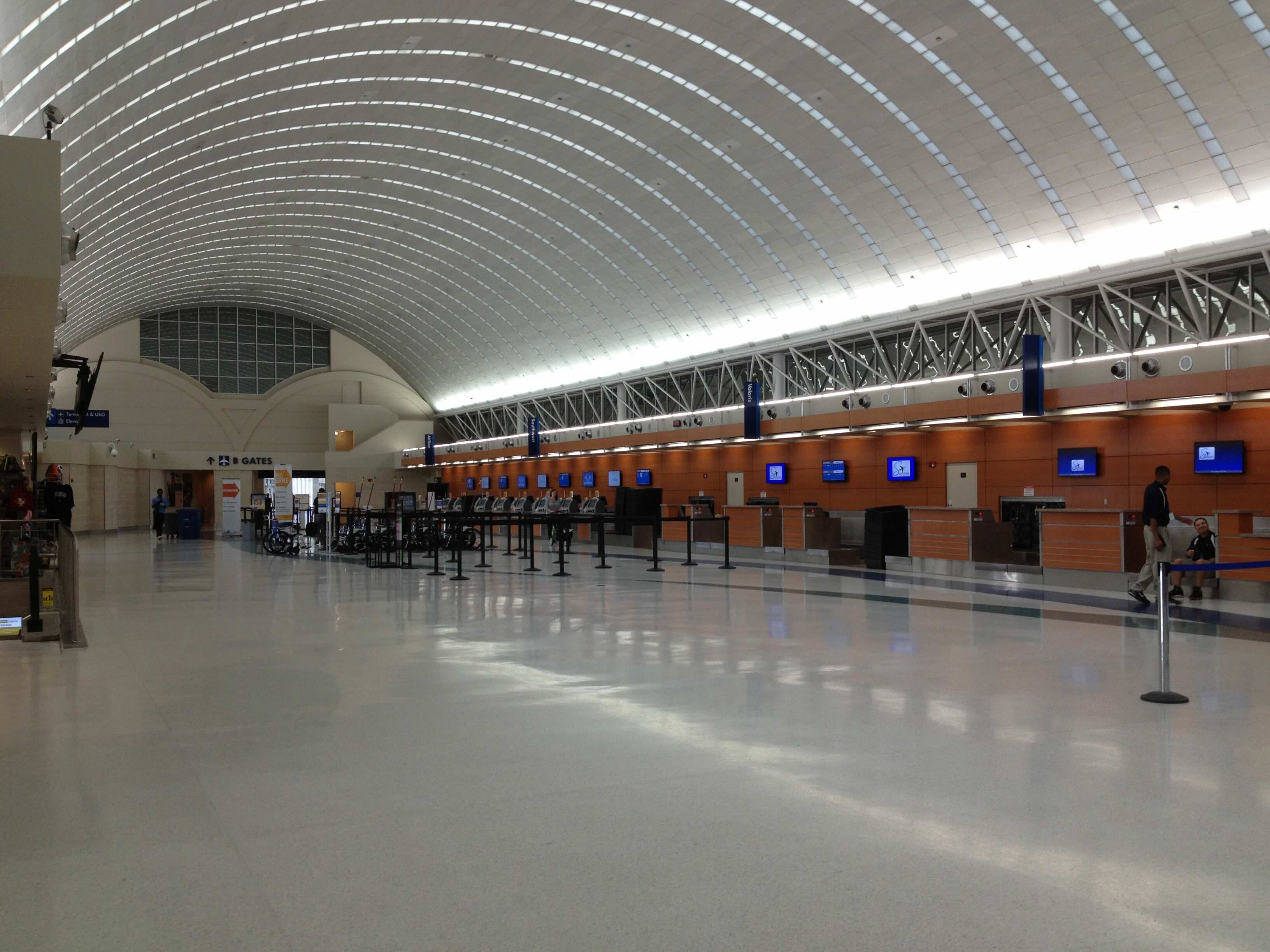
Passengers have been enjoying the newly renovated terminal with its spacious design, abundant natural light, and improved check-ins, security and baggage claims (which can handle 2,000 bags in an hour).
The redesign of the San Diego Airport focuses on efficiency, accessibility, and comfort while carrying out numerous green initiatives.
Category : Airports